

When No-Fault Benefits Fall Short: Your Right to Sue After an NYC Auto Accident
If you have been seriously injured in a New York City car accident, you may be entitled to compensation beyond what no-fault insurance provides. New York operates under a no-fault insurance system, meaning your own insurer generally pays for certain economic losses regardless of who caused the crash. However, no-fault coverage has significant limits. Under NY Insurance Law § 5104, accident victims can step outside the no-fault framework and file a lawsuit against an at-fault driver in two situations: when economic losses exceed the basic no-fault cap, or when they have suffered a "serious injury" as defined by statute. Understanding this distinction is the first step toward pursuing full compensation.
If you or a loved one suffered serious injuries in a car crash and need guidance on suing after a car accident in NYC, The Newman Firm is ready to help. Call 718-896-2700 or reach out online to discuss your options.
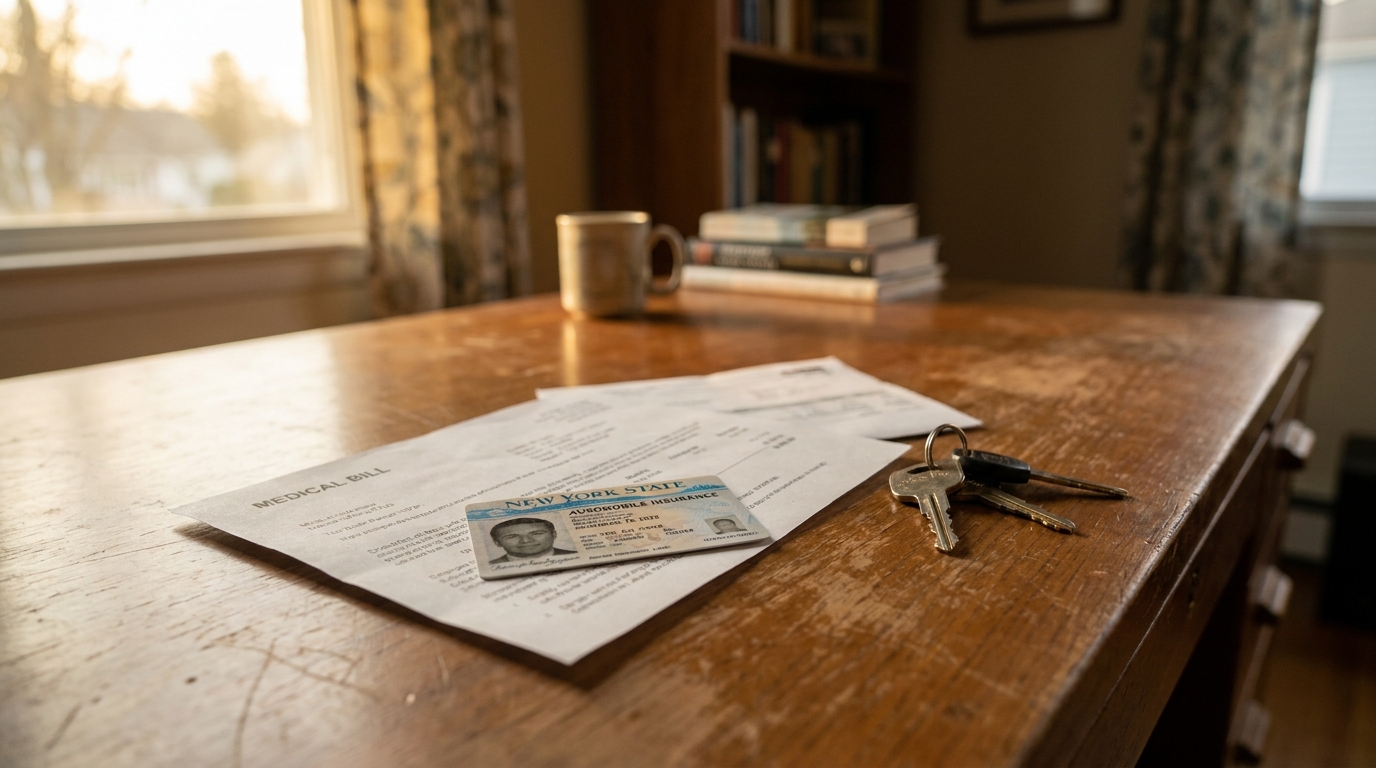
How NYC No-Fault Auto Accident Insurance Works
New York’s no-fault system is designed to provide quick payment for basic economic losses without requiring proof of fault. Under NY Insurance Law § 5102, no-fault insurance covers up to $50,000 in basic economic loss, including medical expenses, a portion of lost earnings (up to $2,000 per month for no more than three years), and other reasonable out-of-pocket costs (up to $25 per day for one year). These benefits are paid by your own insurer regardless of who caused the accident.
However, no-fault insurance has clear boundaries. It does not cover non-economic damages such as pain and suffering, emotional distress, or lost enjoyment of life. It also does not cover property damage. Under NY Insurance Law § 5103(b)(2), insurers may (but are not required to) exclude intoxicated drivers from most no-fault coverage, although they are prohibited from excluding such persons from coverage for necessary emergency health services rendered in a general hospital (including ambulance services and related medical screening). These gaps are why New York law allows victims with qualifying injuries to pursue additional compensation through a personal injury lawsuit.
💡 Pro Tip: Keep detailed records of every medical visit, prescription, and out-of-pocket expense from the beginning. Once costs approach the $50,000 no-fault cap, those records become critical evidence for a lawsuit seeking damages beyond no-fault benefits.
The Serious Injury Threshold: Your Gateway to a NYC Car Accident Lawsuit
Before you can sue for pain and suffering after a car crash in New York City, you must meet the "serious injury" threshold defined in NY Insurance Law § 5102(d). NY Insurance Law § 5104(a) bars covered persons from recovering non-economic loss unless a serious injury occurred. The statute lists nine qualifying categories:
- Death
- Dismemberment
- Significant disfigurement
- A fracture
- Loss of a fetus
- Permanent loss of use of a body organ, member, function, or system
- Permanent consequential limitation of use of a body organ or member
- Significant limitation of use of a body function or system
- A non-permanent, medically determined injury or impairment that prevents the victim from performing substantially all of the material acts constituting their usual and customary daily activities for at least 90 of the 180 days immediately following the accident
Meeting even one of these categories opens the door to a full personal injury lawsuit for NYC accident pain and suffering, lost wages beyond the no-fault cap, and other damages. The standard is fact-specific, and courts closely scrutinize medical evidence. Learn more in our guide on NYC’s serious injury threshold.
💡 Pro Tip: If your injury falls into the "90/180 day" category, ensure your treating physician clearly documents both the diagnosis and the specific daily activities you could not perform. Vague medical records can undermine an otherwise strong claim.
What Damages Can You Recover in an Auto Accident Lawsuit in New York?
Once you cross the serious injury threshold, you can pursue damages that no-fault insurance does not cover. These include pain and suffering, emotional distress, loss of consortium, and economic losses exceeding $50,000. The following table illustrates key differences:
| No-Fault Benefits | Personal Injury Lawsuit | |
|---|---|---|
| Pain and Suffering | Not covered | Recoverable if serious injury proven |
| Economic Loss | Up to $50,000 | Losses exceeding $50,000 recoverable |
| Emotional Distress | Not covered | Recoverable |
| Property Damage | Not covered | Recoverable |
| Who Pays | Your own insurer | At-fault party / their insurer |
For large verdicts involving future damages, New York may require structured payments. Under NY Civil Practice Law & Rules Article 50-B (§ 5041), when future damages exceed a statutory threshold, the court determines a portion to be paid as a lump sum and directs that the remainder be paid as periodic installments. Understanding this structure helps victims plan for long-term financial needs.
💡 Pro Tip: Do not assume a large jury verdict means one check. Discuss structured payment rules under CPLR Article 50-B with your attorney early to factor this into settlement negotiations.
How an Auto Accident Lawyer in New York City Protects Your Right to Full Compensation
Filing a lawsuit beyond no-fault benefits involves procedural requirements that directly affect recovery. Under NY Civil Practice Law & Rules § 3101(f)(1), the defendant must provide complete proof of all applicable insurance coverage within 90 days of serving an answer, including primary, excess, and umbrella policies, remaining available limits, and assigned claims adjuster contact information. This disclosure allows informed settlement decisions.
Another consideration involves the no-fault insurer’s lien. Under NY Insurance Law § 5104(b), if you sue a non-covered person (such as an uninsured driver) and your no-fault insurer has paid first-party benefits, that insurer holds a lien against your recovery. You generally cannot settle without the insurer’s written consent, court approval, or unless the settlement exceeds $50,000. An experienced car crash lawyer in New York City can help navigate these lien issues and protect your net recovery.
What Happens When the At-Fault Driver Is Uninsured
Even if an uninsured driver caused your NYC accident, you have options. The Motor Vehicle Accident Indemnification Corporation (MVAIC) was created under NY Insurance Law § 5201(b) to fill coverage gaps for victims of accidents involving uninsured, unidentified, or stolen vehicles. MVAIC can provide first-party no-fault benefits to eligible victims who would otherwise have no coverage.
However, the serious injury threshold still applies to MVAIC claims. NY Insurance Law § 5221(b)(4) states that no payment for non-economic loss shall be made unless the victim incurred a serious injury as defined in § 5102. Under § 5221(b)(5), no-fault payments for basic economic loss made through MVAIC do not diminish any separate obligations for non-economic loss or economic loss exceeding basic economic loss.
💡 Pro Tip: If hit by an unidentified or uninsured driver, report the accident to police immediately and notify your own insurer as soon as possible. Prompt reporting is often a prerequisite for MVAIC eligibility.
Who Can You Sue Beyond the At-Fault Driver?
The no-fault lawsuit restrictions under § 5104 apply specifically to actions between covered persons. They do not apply to lawsuits against most other parties. If a vehicle defect contributed to the crash, you may sue the manufacturer without meeting the serious injury threshold. If a dangerous road condition caused or worsened the accident, a claim against a municipality may be available, though such claims carry shorter notice-of-claim deadlines.
Identifying all potentially liable parties early is essential. Multiple defendants may share responsibility, each potentially carrying separate insurance. Your attorney should investigate whether third parties beyond the at-fault driver bear liability, as this can significantly expand available compensation.
💡 Pro Tip: New York generally imposes a three-year statute of limitations for personal injury claims, but claims against government entities often require a notice of claim within 90 days. Do not wait to explore your legal options.
Frequently Asked Questions
1. Can I sue for pain and suffering after a car accident in NYC if I have no-fault insurance?
Yes, but only if you meet the serious injury threshold under NY Insurance Law § 5102(d). No-fault insurance covers basic economic losses but bars recovery for non-economic damages like pain and suffering unless your injuries qualify under one of the nine statutory categories. If your injuries meet this threshold, you can file a personal injury lawsuit against the at-fault party.
2. What are the no-fault insurance limits in NYC?
No-fault insurance covers up to $50,000 in basic economic loss under NY Insurance Law § 5102. This includes medical expenses, a portion of lost wages (up to $2,000 per month for no more than three years), and certain other out-of-pocket costs (up to $25 per day for one year). Damages exceeding this amount, as well as all non-economic damages, must be pursued through a separate lawsuit.
3. What if the driver who hit me was uninsured?
You may still recover benefits through MVAIC. The Motor Vehicle Accident Indemnification Corporation was created under NY Insurance Law § 5201(b) to fill coverage gaps for victims of accidents caused by uninsured or unidentified drivers. The serious injury threshold under § 5102(d) still applies to non-economic loss claims through MVAIC.
4. How are large pain and suffering awards paid out in New York?
For future damages exceeding the statutory threshold in a personal injury action, New York structures payments under CPLR Article 50-B (§ 5041). The court determines a portion of future damages to be paid as a lump sum, with the remainder paid as periodic installments. Discuss these rules with your attorney to understand how they may affect your recovery.
5. Does my no-fault insurer have a right to part of my lawsuit settlement?
In many cases, yes. Under NY Insurance Law § 5104(b), an insurer that paid first-party no-fault benefits holds a lien against your recovery from a third-party lawsuit. You generally cannot finalize a settlement without the insurer’s written consent, court approval, or unless the settlement exceeds $50,000.
Take Action to Protect Your Rights After an NYC Car Accident
New York’s no-fault system provides baseline coverage but was never designed to fully compensate victims of serious auto accidents. If your injuries meet the serious injury threshold, you may have the right to pursue a lawsuit for pain and suffering, excess economic losses, and other damages that no-fault insurance does not cover. The procedural rules surrounding liens, structured payments, and insurance disclosures make it critical to understand your rights early.
If you suffered a serious injury in an NYC auto accident and want to explore your legal options, The Newman Firm can help evaluate your claim. Call 718-896-2700 or contact us today to get started.