
You Were Speeding When Someone T-Boned You — Does That Mean You Can’t Recover Damages?
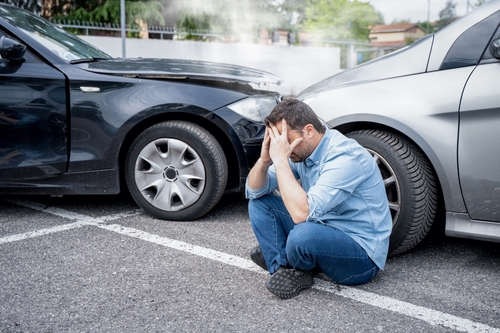
Picture this: You’re rushing to pick up your child from school, going 10 mph over the speed limit when another driver runs a red light and crashes into your vehicle. The other driver was clearly at fault for running the light, but you were technically breaking the law by speeding. Now you’re injured, facing mounting medical bills, and wondering if your speeding means you can’t recover compensation. The good news is that in New York, being partially at fault doesn’t automatically bar you from recovering damages — but it does affect how much you can recover.
Many accident victims hesitate to pursue compensation because they believe any contribution to the accident destroys their case. This misconception leads injured New Yorkers to accept unfair settlements or abandon valid claims entirely. Understanding how New York’s comparative negligence law works can make the difference between recovering substantial compensation and walking away empty-handed.
💡 Pro Tip: Document everything at the accident scene, even if you think you might have contributed to the crash. Your perception of fault may differ significantly from the legal determination, and evidence collected immediately is often the most valuable.
Don’t let partial fault steal your thunder in an auto accident case. At The Newman Firm, LLP, we’re here to ensure you get your just rewards. Reach out to us today at 7188962700 or contact us to start claiming the compensation you deserve.
New York’s Comparative Negligence Law Protects Your Right to Compensation
Under New York CPLR § 1411, your culpable conduct "shall not bar recovery" in personal injury cases. Even if you were partially responsible for your auto accident, you can still recover damages — they’ll just be reduced by your percentage of fault. For example, if a jury determines you were 20% at fault for an accident and your total damages are $100,000, you can still recover $80,000 from the other driver.
This protection contrasts sharply with contributory negligence states, where being even 1% at fault completely bars recovery. New York’s comparative fault system recognizes that accidents rarely involve just one negligent party. When you work with an experienced auto accident lawyer in New York City, they can help minimize your assigned percentage of fault and maximize your recovery.
To succeed in your case despite partial fault, you’ll need to establish the four core elements of negligence against the other driver: they owed you a duty to drive safely, they breached that duty through careless behavior, their breach directly caused your injuries, and you suffered actual damages. Your own contributory conduct becomes relevant only after establishing the other driver’s liability.
💡 Pro Tip: Never admit fault at the accident scene or to insurance adjusters. Statements like "I was going a little fast" can be used against you later, even if the other driver’s actions were far more egregious. Let the legal process determine fault percentages.
What to Expect: The Timeline of a Partial Fault Auto Accident Case
Understanding the timeline of your case helps set realistic expectations and ensures you don’t miss critical deadlines. New York’s statute of limitations gives you three years from the accident date to file a lawsuit, but waiting that long can hurt your case. Evidence disappears, witnesses forget details, and insurance companies become more skeptical. Here’s what typically happens:
- Immediate aftermath (0-72 hours): Seek medical treatment, report to police, notify insurance companies, and document injuries. Some injuries like whiplash or internal bleeding may not manifest immediately.
- Investigation phase (1-3 months): Your attorney gathers evidence, interviews witnesses, obtains police reports, and may hire accident reconstruction experts.
- Negotiation period (3-12 months): Armed with evidence, your legal team negotiates with insurance companies. They’ll likely argue you were more at fault than you actually were to reduce their payout.
- Litigation phase (12-24 months if necessary): If settlement talks fail, filing a lawsuit may be necessary. Discovery allows both sides to examine evidence, and depositions help establish each party’s version of events.
- Trial or settlement (18-36 months): Most cases settle before trial, but having a lawyer prepared to go to court often results in better settlement offers.
Each case follows its own timeline based on injury severity, evidence complexity, and the other party’s willingness to negotiate fairly. An auto accident lawyer in New York City can accelerate this process by knowing which arguments resonate with local judges and juries and leveraging relationships with medical providers who can document your injuries promptly.
💡 Pro Tip: Start a daily journal immediately after your accident documenting pain levels, medical appointments, missed work, and how injuries affect your daily life. This contemporaneous record becomes powerful evidence of your damages.
Maximizing Your Recovery: How The Newman Firm, LLP Fights for Fair Compensation
Successfully navigating a partial fault case requires more than understanding the law — it demands strategic thinking and persuasive advocacy. Insurance companies employ teams of adjusters and attorneys whose job is to shift as much blame as possible onto you. They’ll scrutinize every detail: were you wearing your seatbelt properly, were you distracted, were you following too closely? Even when another driver clearly caused the crash, insurers hunt for any factor to reduce their payout.
The Newman Firm, LLP understands these tactics and knows how to counter them effectively. By thoroughly investigating accidents, consulting with expert witnesses, and presenting compelling evidence, the firm works to minimize clients’ fault percentages while maximizing the other party’s liability. Expert testimony might prove the accident would have occurred regardless of your minor infraction.
The key to resolution often lies in demonstrating that your contribution to the accident was minimal compared to the other driver’s egregious conduct. If someone runs a red light while texting and hits you, your failure to wear a seatbelt might affect injury severity but didn’t cause the collision itself. An experienced auto accident lawyer in New York City can parse these distinctions, ensuring fault is apportioned fairly.
💡 Pro Tip: Keep all medical appointments and follow your doctor’s treatment plan exactly. Insurance companies often argue that gaps in treatment or non-compliance show you weren’t really injured or that you worsened your own condition.
Common Scenarios Where Partial Fault Doesn’t Destroy Your Case
Real-world accidents rarely involve perfect victims and wholly reckless defendants. Understanding how partial fault plays out in common scenarios helps you evaluate your case realistically. New York courts have consistently applied comparative negligence principles to ensure fair outcomes even when both drivers made mistakes.
Speeding vs. Running Red Lights or Stop Signs
One of the most frequent partial fault scenarios involves a speeding driver hit by someone who violated a traffic control device. Courts typically assign greater fault to the driver who ran the red light or stop sign because their action more directly caused the collision. If you were going 35 in a 25 mph zone when someone blew through a stop sign, you might be assigned 10-20% fault while they bear 80-90%. Speed might affect impact severity, but the failure to yield right-of-way created the danger. Your auto accident lawyer in New York City can argue that without the other driver’s violation, no accident would have occurred regardless of your speed.
💡 Pro Tip: Traffic camera footage from nearby businesses or city cameras can be invaluable in proving who had the right-of-way. Request this evidence quickly, as many systems only retain footage for 30 days.
Drowsy Driving Considerations
Fatigue-related accidents present unique challenges in partial fault cases. According to the Governors Highway Safety Association, 24 hours without sleep has similar effects on driving ability as a blood alcohol concentration of 0.10 percent. If you were drowsy but maintaining your lane when another driver swerved into you, your fatigue might be considered a contributing factor but not the proximate cause. GHSA estimates drowsy driving contributes to about 328,000 crashes nationwide annually.
New York State 2023 preliminary crash statistics show 2,939 crashes statewide where police reported the "driver fell asleep," with 12 involving fatalities and 1,008 causing injuries. If you were drowsy but the other driver was drunk, texting, or aggressively passing in a no-passing zone, comparative fault principles ensure you can still recover damages despite your impairment.
💡 Pro Tip: Be honest with your attorney about any factors that might have contributed to the accident. They can better defend you when they know what the other side might argue.
Defenses That Could Impact Your Partial Fault Case
While New York’s comparative negligence law protects your right to recovery, certain defenses can complicate your case or reduce your compensation further. Understanding these potential challenges helps you and your attorney prepare effective counter-arguments.
Assumption of Risk and Unexpected Defenses
Sometimes defendants argue you "assumed the risk" of injury by engaging in certain behaviors. For instance, if you were driving during a severe snowstorm when road conditions were obviously dangerous, the other driver might claim you assumed the risk of weather-related accidents. However, choosing to drive in poor conditions doesn’t give other drivers license to be negligent. Your auto accident lawyer in New York City can distinguish between assuming general risks of driving and the specific negligent acts that caused your injuries.
Another defense involves situations where injured parties were somewhere they "weren’t supposed to be." While this typically applies more to premises liability than auto accidents, it might arise if you were driving on a closed road or restricted area. Even then, the other driver’s negligence must still be evaluated under NY CPLR § 1411 comparative fault principles.
💡 Pro Tip: Document road conditions, weather, visibility, and any traffic control devices or warning signs present at the accident scene. This evidence helps counter assumption of risk arguments.
Employer Liability in Commercial Vehicle Accidents
When accidents involve commercial vehicles like delivery trucks or ride-share drivers, the legal principle of "respondeat superior" may make employers liable for their employees’ negligence. This can work in your favor even with partial fault. If a delivery driver racing to meet quotas hits you while you’re making an improper lane change, both your minor fault and the employer’s systemic pressure on drivers become relevant. Juries often assign less fault to individual drivers when evidence shows corporate policies encouraged dangerous driving.
💡 Pro Tip: Always verify whether the at-fault driver was working at the time of the accident. Employer liability often means access to higher insurance limits, improving your chances of full compensation even after fault reductions.
Frequently Asked Questions
Understanding Your Rights in Partial Fault Accidents
Navigating partial fault cases raises many questions about rights, compensation, and legal strategy. These answers address the most common concerns accident victims face when they’ve contributed to their own injuries.
💡 Pro Tip: Write down all your questions before meeting with an attorney. Having a prepared list ensures you don’t forget important concerns during what can be an emotional consultation.
The Legal Process and Next Steps
Understanding what happens next in your case helps reduce anxiety and allows you to make informed decisions about settlement offers, medical treatment, and working with legal counsel.
💡 Pro Tip: Create a dedicated email folder for all accident-related communications and scan all paper documents. Having organized records makes it easier to provide information to your attorney quickly.
1. If I was texting at a red light when someone rear-ended me, can I still sue for my injuries in NYC?
Yes, you can still pursue compensation. While texting and driving is illegal, if you were stopped at a red light, your texting likely didn’t cause the rear-end collision. The driver who hit you had a duty to maintain safe following distance and stop behind you. Under New York’s comparative negligence law, you might face a small reduction in damages if your distraction somehow contributed to injury severity, but rear-end collisions typically place primary fault on the following driver.
2. How do insurance companies determine fault percentages in NYC auto accidents?
Insurance adjusters consider police reports, witness statements, physical evidence, traffic laws violated, and each driver’s actions leading up to the crash. They often use accident reconstruction software and consult internal guidelines. However, their initial determination isn’t final — an experienced auto accident lawyer in New York City can challenge these assessments using independent experts, additional evidence, and legal arguments about causation versus mere contribution.
3. What if the other driver claims I’m more at fault than I actually was?
This is extremely common as drivers rarely admit full responsibility. Document everything possible at the scene, including taking photos, getting witness contact information, and noting exact positions of vehicles. Never argue about fault with the other driver. Instead, let your NYC auto accidents attorney handle fault disputes through evidence like traffic camera footage, cell phone records, vehicle computer data, and expert testimony.
4. How much do partial fault determinations typically reduce settlement amounts?
Reductions directly correlate to your fault percentage under NY CPLR § 1411. If you’re found 30% at fault with $200,000 in damages, you’d recover $140,000. However, skilled negotiation often results in lower fault percentages than initially assigned. Factors like injury severity, the other driver’s egregious conduct, and strong evidence can minimize your fault percentage, dramatically changing initial offers.
5. Should I accept a settlement offer if the insurance company says I was partially at fault?
Never accept an initial settlement offer without legal consultation, especially in partial fault cases. Insurance companies often exaggerate your fault percentage to reduce payouts. A comparative fault auto accident NYC attorney can evaluate whether the offer fairly reflects actual fault distribution and whether your damages calculation includes all current and future losses. Many clients discover their cases are worth significantly more than initial offers.
Work with a Trusted Auto Accidents Lawyer
Partial fault cases require nuanced legal strategy and thorough understanding of New York’s comparative negligence laws. While the law protects your right to recover damages even when you share some responsibility for an accident, insurance companies will aggressively pursue every angle to maximize your fault percentage. Having skilled legal representation levels the playing field, ensuring fault determinations are based on evidence rather than insurance company tactics.
The difference between handling a partial fault case alone versus with experienced counsel often amounts to tens of thousands of dollars in recovery. From challenging fault percentages to ensuring all damages are properly calculated, legal representation provides both peace of mind and measurably better outcomes. If you’ve been injured in an accident where you might share some fault, don’t let that stop you from seeking the compensation you need for medical bills, lost wages, and pain and suffering.
Don’t let a little fault stand in your way. With The Newman Firm, LLP by your side, you’re not alone in seeking the justice you deserve. Give us a call at 7188962700 or contact us today and start your path to rightful compensation.