

When a Crosswalk Becomes a Courtroom Question
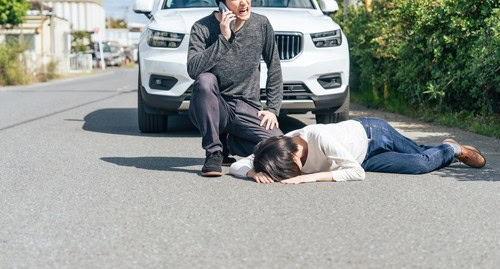
The screeching of tires, the impact, and suddenly you’re on the ground—injured and uncertain. But what happens when the insurance company claims you stepped off the curb too early or weren’t paying attention? If you’ve been hit by a car while walking in New York, you might worry that your own actions could destroy your chance at fair compensation. The truth is more nuanced than you might think, and understanding New York’s approach to shared fault could make the difference between walking away empty-handed and receiving the compensation you deserve for your injuries.
💡 Pro Tip: Document everything immediately after your accident—take photos of the crosswalk signals, skid marks, and your injuries. Even if you think you might have contributed to the accident, this evidence could prove the driver was primarily responsible.
Don’t let shared fault keep you from pursuing the compensation you deserve. Reach out to The Newman Firm, LLP for guidance on how to navigate these complex legal waters. Call us at 7188962700 or contact us today to take the first step toward securing your rights.

Understanding Your Rights Under New York’s Comparative Negligence Law
New York follows a pure comparative negligence doctrine, which means you can still recover damages even if you were partially responsible for the accident. Unlike some states where being 51% at fault bars any recovery, New York allows compensation regardless of your percentage of fault—though your award will be reduced accordingly. If you’re found 30% responsible for an accident with $100,000 in damages, you would still receive $70,000. This system recognizes that accidents rarely involve just one party’s mistakes. A pedestrian accident lawyer in Queens can help evaluate how comparative negligence might apply to your specific situation and fight to minimize your assigned percentage of fault.
The law also recognizes specific duties for both drivers and pedestrians. While drivers must yield at crosswalks and exercise reasonable care, pedestrians have responsibilities too—such as crossing at designated areas when available and remaining visible. However, drivers bear a higher duty of care because they’re operating potentially deadly machinery. Understanding NY pedestrians’ right of way in crosswalks law becomes crucial when determining fault percentages. Even if you jaywalked or crossed against a signal, the driver’s actions—like speeding, texting, or driving under the influence—might still make them primarily liable for your injuries.
💡 Pro Tip: Insurance adjusters often try to assign higher fault percentages to pedestrians immediately after accidents. Never accept blame or apologize at the scene—statements like "I didn’t see you coming" can be twisted to suggest you weren’t paying attention.
The Path from Accident to Settlement: What to Expect
After a pedestrian accident where fault is disputed, the legal process typically unfolds in predictable stages. Understanding this timeline helps you prepare for what lies ahead and ensures you don’t miss critical deadlines. Most importantly, New York’s statute of limitations gives you three years from the accident date to file a lawsuit, but waiting that long can hurt your case. Evidence disappears, witnesses forget details, and injuries become harder to link directly to the accident. Working with a pedestrian accident lawyer in Queens early in the process protects your rights and strengthens your position during negotiations.
- Immediate aftermath (0-72 hours): Seek medical treatment, report to police, gather witness information, and document the scene—even small details like weather conditions or nearby construction can impact fault determination
- Investigation phase (weeks 1-8): Your attorney investigates surveillance footage, analyzes police reports, consults accident reconstruction experts if needed, and builds evidence showing the driver’s primary fault
- Insurance negotiations (months 2-6): Initial settlement offers often lowball pedestrians, especially when partial fault is claimed—expect multiple rounds of negotiation as your lawyer fights for fair compensation
- Litigation preparation (months 4-12): If settlement talks stall, your case moves toward trial—depositions reveal new evidence that often motivates better settlement offers
- Resolution (varies): Most cases settle before trial once both sides recognize the strength of evidence, but having a pedestrian accident lawyer in Queens prepared for court often drives better settlements
💡 Pro Tip: Keep a daily journal documenting your pain levels, mobility limitations, and how injuries affect your daily life. This contemporaneous evidence becomes powerful proof of damages, especially when partial fault reduces your potential recovery.
Fighting for Maximum Compensation Despite Shared Fault
When facing a pedestrian accident claim where you might share some fault, the key lies in minimizing your percentage while maximizing the driver’s responsibility. Experienced attorneys understand how to present evidence that shifts the fault balance in your favor. For instance, even if you crossed mid-block, evidence that the driver was speeding or distracted can establish them as primarily responsible. The Newman Firm, LLP has handled numerous pedestrian accident cases throughout New York, understanding how local factors—from problematic intersections to common driver behaviors—impact fault determinations. Their approach focuses on thorough investigation and strategic presentation of evidence to ensure clients receive fair compensation despite any contributory negligence.
Insurance companies often use pedestrian behaviors like jaywalking or wearing dark clothing as ammunition to deny or reduce claims. However, skilled legal representation can counter these tactics by demonstrating that the driver’s negligence was the primary cause. A pedestrian accident lawyer in Queens knows how to use accident reconstruction, witness testimony, and even data from the city’s Vision Zero initiatives to build compelling cases. They can show how a driver’s failure to exercise reasonable care—whether through distraction, impairment, or aggressive driving—overshadows any minor contribution from the pedestrian.
💡 Pro Tip: Never give a recorded statement to the other driver’s insurance company without legal representation. They’re trained to ask questions that make you admit fault, even for actions that didn’t actually contribute to the accident.
Evidence That Shifts the Fault Equation in Your Favor
Building a strong pedestrian accident case when partial fault is alleged requires strategic evidence collection. Modern technology offers powerful tools—from surveillance cameras at nearby businesses to dashcam footage from other vehicles. Traffic camera data has become particularly valuable since New York expanded its automated enforcement network. Your pedestrian accident lawyer in Queens can subpoena this footage before it’s automatically deleted, often revealing driver behaviors that witnesses might have missed. Cell phone records can prove distracted driving, while vehicle computer data might show excessive speed or hard braking that indicates the driver saw you too late.
Leveraging Witness Testimony and Expert Analysis
Independent witnesses carry significant weight in comparative fault determinations. Pedestrians who saw the accident unfold can testify about signal timing, driver behavior, and whether you had begun crossing legally. Expert witnesses add another layer of credibility—accident reconstructionists can calculate vehicle speeds, determine sight lines, and show how a reasonably careful driver should have avoided the collision. Understanding pedestrian accident law helps these experts frame their analysis within legal standards, demonstrating how the driver’s actions fell below acceptable care levels regardless of any pedestrian contribution.
💡 Pro Tip: Look for businesses with exterior cameras near the accident scene and request they preserve footage immediately. Many systems overwrite recordings after 30 days, so acting quickly can secure crucial evidence.
Common Scenarios Where Pedestrians Share Fault—And Still Win
Real-world pedestrian accidents rarely fit neat categories of right and wrong. Consider the pedestrian who crosses against a signal but gets hit by a speeding driver who could have stopped with reasonable care. Or someone who steps off a curb mid-block but is struck by an intoxicated driver. New York courts have consistently held that pedestrian negligence doesn’t absolve drivers from their duty to avoid accidents when possible. A pedestrian accident lawyer in Queens can explain how courts weigh different factors—a driver’s speed, attention level, and reaction time often matter more than technical pedestrian violations.
Protecting Your Claim When Fault Is Disputed
Insurance companies love to blame pedestrians because it saves them money. They’ll scrutinize your actions while downplaying their insured’s responsibility. Common tactics include claiming you "darted out" between cars or were distracted by your phone. Fighting these allegations requires proactive claim management. Document your typical walking routes to show familiarity with the area. Gather medical records showing you weren’t impaired. Most importantly, work with legal counsel who understands how to frame your actions within acceptable pedestrian behavior while highlighting the driver’s failures.
💡 Pro Tip: If you regularly walk the same route, document it with photos showing your typical crossing points and any visibility obstacles. This context helps counter claims that you acted unpredictably.
Frequently Asked Questions
Understanding Partial Fault in Pedestrian Cases
Many accident victims worry that any mistake on their part eliminates their right to compensation. New York’s comparative negligence system provides more nuanced justice, recognizing that accidents often involve shared responsibility while still protecting injured pedestrians’ rights to recovery.
💡 Pro Tip: Keep copies of all medical bills and wage loss documentation organized by date. This makes it easier to calculate damages accurately, especially when partial fault might reduce your recovery.
Taking Action After Your Accident
The steps you take immediately after a pedestrian accident can significantly impact your ability to recover compensation, particularly when fault is disputed. Quick action preserves evidence and protects your legal rights.
💡 Pro Tip: Create a contact list of all medical providers treating your injuries. Your attorney will need this information to properly document your damages and ongoing treatment needs.
1. If I was jaywalking when hit by a car, can I still get compensation from a pedestrian accident lawyer in Queens?
Yes, you can still receive compensation even if you were jaywalking. New York’s comparative negligence law allows recovery even when pedestrians share fault. Your compensation will be reduced by your percentage of fault, but jaywalking doesn’t automatically bar recovery. The driver still had a duty to exercise reasonable care and avoid hitting you if possible. Factors like the driver’s speed, attention level, and ability to stop will be weighed against your jaywalking.
2. How do insurance companies determine fault percentages in NYC pedestrian accidents?
Insurance adjusters consider multiple factors including police reports, witness statements, traffic laws, weather conditions, and both parties’ actions. They’ll examine whether you crossed at a designated crosswalk, if signals were obeyed, the driver’s speed, and visibility conditions. Adjusters often initially assign higher fault to pedestrians to reduce payouts. Having experienced legal representation ensures a fair evaluation that considers all relevant factors, not just those favoring the insurance company.
3. What if the driver claims I "came out of nowhere" in my Queens pedestrian accident case?
This common defense often fails under scrutiny. Drivers have a continuous duty to watch for pedestrians, especially in urban areas. Your attorney can challenge this claim by investigating sight lines, lighting conditions, and the driver’s attention level. Security footage often disproves "sudden appearance" claims. Even if you entered the roadway unexpectedly, the driver’s speed and reaction time remain relevant to determining primary fault.
4. How long do I have to file a pedestrian accident lawsuit in New York if I was partially at fault?
You have three years from the accident date to file a personal injury lawsuit in New York, regardless of partial fault. However, if your accident involved a government vehicle or occurred due to a municipal defect, you must file a notice of claim within 90 days. Don’t let concerns about partial fault delay seeking legal help—early action strengthens your case and preserves crucial evidence.
5. Should I accept a quick settlement if the insurance company admits I was partially at fault?
Be cautious about early settlement offers, especially when partial fault is acknowledged. Insurance companies often make lowball offers hoping you’ll accept less than you deserve. These initial offers rarely account for future medical needs, lost earning capacity, or appropriate pain and suffering compensation. Consult with an attorney before accepting any settlement to ensure it fairly reflects your damages after the appropriate fault reduction.
Work with a Trusted Pedestrian Accidents Lawyer
Navigating a pedestrian accident claim when partial fault is involved requires deep understanding of New York’s comparative negligence laws and proven negotiation skills. The right legal representation can mean the difference between accepting an unfair settlement and receiving proper compensation for your injuries. Experienced attorneys know how to investigate accidents thoroughly, challenge inflated fault assessments, and present compelling evidence that minimizes your responsibility while maximizing your recovery. They understand local traffic patterns, common accident scenarios, and how to effectively counter insurance company tactics designed to shift blame onto injured pedestrians.
If you’ve been hit while walking and are worried about how partial fault might affect your claim, don’t lose hope. Reach out to The Newman Firm, LLP for support in navigating these tricky legal waters. Call us at 7188962700 or contact us to secure the compensation you deserve.