
When NYC Streets Turn Dangerous: Your Legal Rights After a Pedestrian Accident
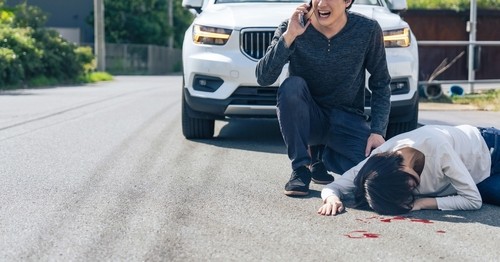
Getting struck by a vehicle while walking through New York City can leave you facing mounting medical bills, lost wages, and painful injuries that disrupt your entire life. If your accident happened at one of NYC’s dangerous intersections, you might wonder whether the city itself bears responsibility for unsafe conditions that contributed to your injuries. While New York City has completed over 1,200 safety projects since Vision Zero began in 2014 and installed 2,217 speed cameras citywide, dangerous intersections still pose serious risks to pedestrians every day. Understanding your legal options requires navigating both personal injury claims against drivers and potential claims against the city for hazardous road conditions.
💡 Pro Tip: Document everything at the accident scene, including street conditions, missing signs, broken traffic signals, or construction hazards – these details become crucial if pursuing a claim against NYC.
If you’ve faced a pedestrian accident at NYC’s perilous intersections, don’t navigate the complexities alone. Trust The Newman Firm to help assert your rights and pursue the compensation you deserve. Reach out today at 7188962700 or contact us to get started.
Understanding Your Rights When Injured at NYC Intersections
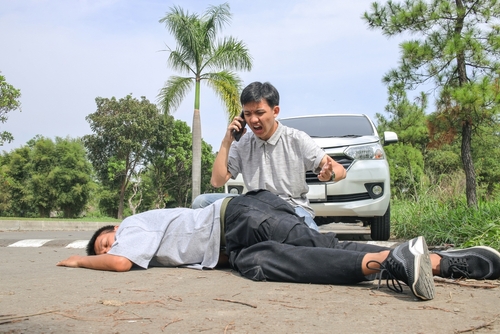
New York State law provides multiple avenues for compensation after pedestrian accidents, including claims against negligent drivers and potentially against New York City for dangerous road conditions. Under New York State General Municipal Law §50-e, you can pursue claims against NYC when dangerous intersections contribute to your injuries, but strict procedural requirements apply. The law requires serving a notice of claim within 90 days after your accident occurs – a deadline that catches many injured pedestrians off guard. This notice must comply with specific formatting requirements and be properly served to the NYC Comptroller’s Office, either electronically via eClaim, by personal delivery, or through registered mail. Missing this deadline can bar your claim entirely unless you qualify for limited exceptions allowing late filing.
💡 Pro Tip: Start documenting your case immediately – take photos of the intersection, gather witness information, and keep all medical records organized from day one.
Critical Deadlines and Steps for Your NYC Intersection Claim
Acting quickly after a pedestrian accident at a dangerous NYC intersection can mean the difference between recovering fair compensation and losing your right to sue entirely. The 90-day notice requirement under General Municipal Law §50-e represents just the first of several critical deadlines you’ll face. Even with Vision Zero reducing pedestrian deaths by 45 percent between 2013 and 2023, accidents still happen, and understanding the timeline helps protect your rights. Each step in the process serves a specific purpose in building your case against the city.
- Within 90 days: File notice of claim with NYC Comptroller (Administrative Code §7-201 requires presenting a claim to the Comptroller; the 90-day filing deadline is set by New York State General Municipal Law §50-e)
- 50-h hearing: Attend mandatory examination by city representatives about your claim
- One year and 90 days: Deadline to file lawsuit if city denies or ignores your claim
- Discovery phase: Exchange evidence and depositions with city attorneys
- Trial or settlement: Resolution typically occurs 18-36 months after filing
Building Your Strongest Case with Experienced Legal Guidance
Successfully suing NYC for dangerous intersection conditions requires proving the city had prior notice of the hazard and failed to address it within a reasonable time. This differs significantly from standard pedestrian accident claims against drivers, where you typically prove negligence through traffic violations or careless behavior. The Newman Firm understands the complexities of municipal liability claims and can help gather crucial evidence like prior accident reports, citizen complaints, and city maintenance records that demonstrate NYC’s knowledge of dangerous conditions. Their attorneys know how to navigate both the procedural requirements and substantive proof needed to hold the city accountable for unsafe intersections that injure pedestrians.
💡 Pro Tip: Request copies of all 311 complaints and DOT reports for your accident location – these records often reveal the city’s prior knowledge of dangerous conditions.
Common Dangerous Intersection Hazards That Create City Liability
Not every intersection accident creates grounds for suing New York City – the dangerous condition must result from city negligence or failure to maintain safe streets. Understanding which hazards typically support municipal liability claims helps you evaluate your case’s strength. NYC’s responsibility extends beyond just fixing potholes; it includes maintaining traffic signals, crosswalk markings, street lighting, and addressing known dangerous design flaws that put pedestrians at risk.
Infrastructure Failures That Support Claims
Broken traffic signals that stay green in multiple directions simultaneously create obvious dangers for pedestrians following walk signals. Faded or missing crosswalk markings leave pedestrians vulnerable when drivers can’t see designated crossing areas. Inadequate street lighting at night transforms otherwise safe intersections into hazardous zones where drivers struggle to spot pedestrians. Construction zones without proper barriers or warning signs also create city liability when pedestrians get injured navigating around work areas. Each of these conditions requires proof that NYC knew or should have known about the hazard before your accident.
💡 Pro Tip: Check Google Street View historical images to document how long dangerous conditions existed before your accident – this evidence can prove the city’s notice.
Overcoming Challenges in Municipal Liability Cases
Pursuing claims against New York City presents unique obstacles that don’t exist in typical pedestrian accident lawsuits against drivers. Courts strictly enforce the 90-day deadline for filing notices of claim against New York City, but General Municipal Law §50-e(5) grants courts discretion to permit late filing when claimants demonstrate a reasonable excuse, the municipality had actual knowledge of the essential facts, and the delay does not substantially prejudice the municipality’s defense. The 90-day notice requirement under General Municipal Law Section 50-e applies to all claims against the city, including pedestrian accident cases.
Prior Written Notice Requirements
NYC often invokes the prior written notice defense, arguing they can’t be liable without formal notification of dangerous conditions before accidents occur. This rule applies to many sidewalk and roadway defects, though exceptions exist for hazards the city created through construction or snow removal. Overcoming this defense requires thorough investigation into complaint histories, previous accidents, and city inspection records that demonstrate actual or constructive notice of dangers.
Frequently Asked Questions
Understanding Your Rights After NYC Intersection Accidents
Many injured pedestrians share similar concerns about pursuing claims against New York City for dangerous intersection conditions. These questions address the most common legal and practical issues that arise.
💡 Pro Tip: Write down all your questions before consulting with an attorney – this ensures you get comprehensive answers during your initial consultation.
Navigating the Legal Process
The path from injury to compensation involves multiple steps, each with specific requirements and potential pitfalls that can derail your case if handled incorrectly.
1. What types of intersection hazards make NYC liable for pedestrian accidents?
NYC may face liability for malfunctioning traffic signals, missing stop signs, inadequate lighting, unmarked construction zones, dangerous road designs, and improperly maintained crosswalks. The key requirement is proving the city knew about the hazard before your accident and failed to fix it within a reasonable time.
2. Can I still sue NYC if I missed the 90-day notice deadline for pedestrian accident claims?
Courts may grant permission to file late notices in limited circumstances under GML §50-e. In determining whether to grant the extension, the court shall consider, in particular, whether the public corporation acquired actual knowledge of the essential facts within the 90-day period or within a reasonable time thereafter. The court shall also consider whether the delay substantially prejudiced the public corporation in maintaining its defense on the merits, along with other relevant facts and circumstances such as reasonable excuses for the delay. These exceptions are interpreted narrowly, making timely filing crucial.
3. Do I need a Manhattan pedestrian injury lawyer for both driver and city claims?
While you can pursue claims against both the driver and NYC, each involves different legal standards and procedures. An experienced attorney can coordinate both claims, ensuring you meet all deadlines and maximize recovery from all responsible parties.
4. How long do NYC pedestrian accident lawsuits typically take to resolve?
Municipal liability cases often take 18-36 months from filing to resolution, though complex cases may take longer. The mandatory 50-h hearing, discovery process, and court backlogs all affect timing. Settlement negotiations may occur at any stage if the city recognizes liability.
5. What compensation can I recover in an NYC intersection accident lawsuit?
Successful claims may recover medical expenses, lost wages, pain and suffering, future medical needs, and permanent disability compensation. The amount depends on injury severity, the city’s degree of fault, and whether multiple parties share liability for the dangerous conditions.
Work with a Trusted Pedestrian Accidents Lawyer
Navigating claims against New York City for dangerous intersection conditions requires understanding complex procedural rules, strict deadlines, and specific proof requirements that differ from standard accident cases. The 90-day notice requirement represents just the beginning of a process filled with potential pitfalls that can destroy valid claims. Working with attorneys who understand municipal liability law, maintain relationships with investigators familiar with NYC infrastructure, and know how to build compelling cases against the city can make the difference between dismissal and fair compensation for your injuries.
If navigating the legal maze after a pedestrian accident in NYC’s treacherous intersections feels like a heavy lift, reach out to The Newman Firm. They’re here to help you make sense of your rights and get the compensation you’re entitled to. Give us a ring at 7188962700 or contact us to kickstart your claim.