


Walking the Line: Understanding Pedestrian Safety on Queens Boulevard
Crossing Queens Boulevard shouldn’t feel like a life-threatening event, yet this notorious stretch of road has earned the grim nickname “Boulevard of Death” for good reason. Pedestrian accidents on this busy thoroughfare continue to devastate lives, leaving victims and families wondering what went wrong and where to turn. The alarming increase in pedestrian injuries nationwide—up 11 percent from 60,579 in 2021 to 67,336 in 2022—reflects a troubling trend that hits particularly hard in busy urban corridors like Queens Boulevard. Whether you’ve been injured while crossing at a designated crosswalk or have a loved one who was struck by a negligent driver, understanding the common causes of these accidents is the first step toward protecting your rights and securing the compensation you deserve.
Don’t let the complexities of a pedestrian accident on Queens Boulevard overwhelm you. Reach out to The Newman Firm, LLP for the legal support you need to navigate this challenging time. Call us at 7188962700 or contact us today to discuss your case and take the first step toward securing the compensation you deserve.
Your Legal Rights as a Pedestrian Under New York Law
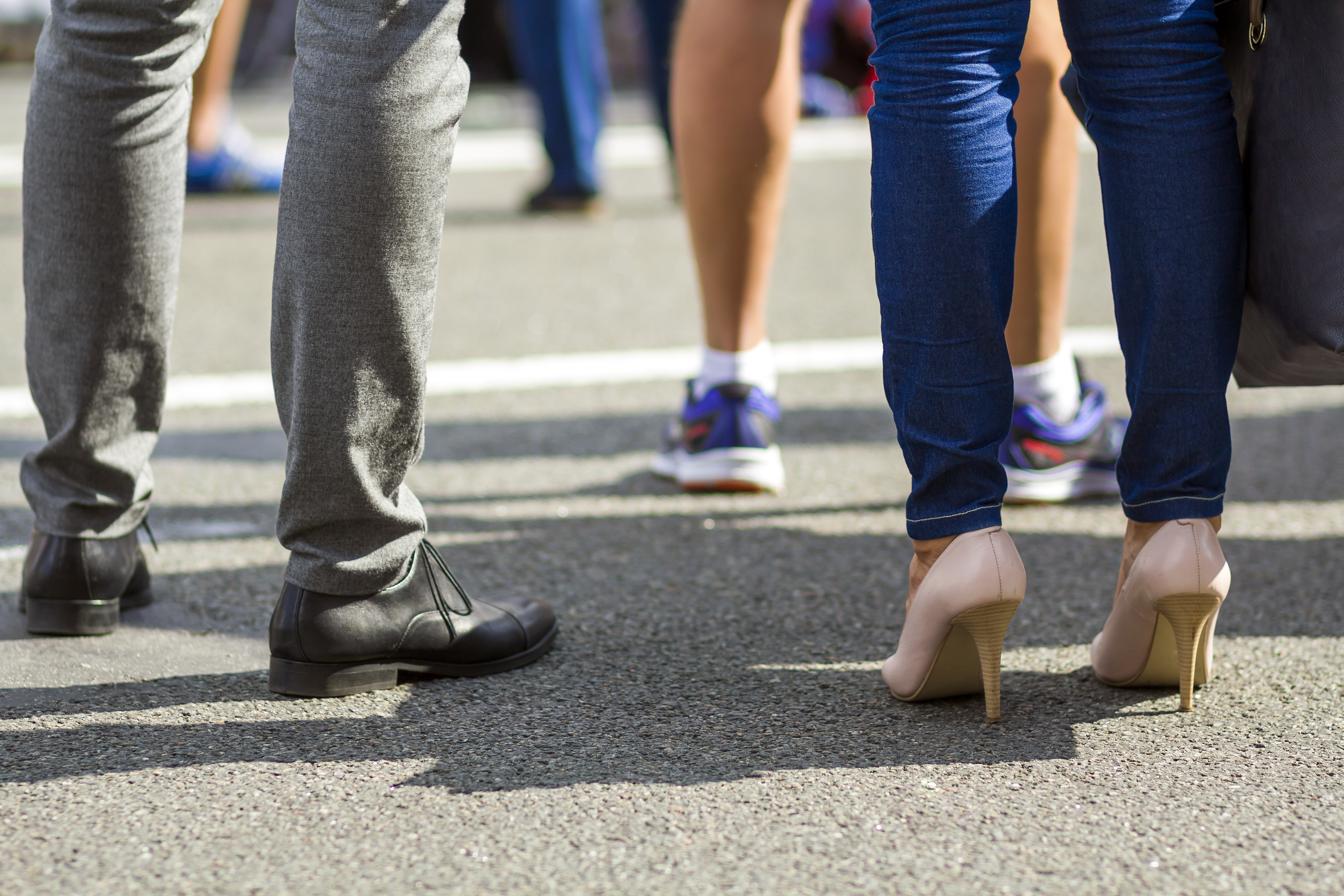
When walking the streets of New York, pedestrians are protected by specific rights and regulations designed to ensure their safety. Under New York law, pedestrians generally have the right-of-way in marked crosswalks and at intersections. However, many Queens Boulevard accidents occur even when pedestrians are following all rules. What’s particularly concerning is that pedestrian deaths frequently happen at what are commonly considered “safe speeds” for vehicles. While vehicle occupants may only face significant danger at higher speeds, pedestrians remain vulnerable even at lower speeds—a critical fact that many drivers fail to appreciate when navigating busy thoroughfares. When a pedestrian accident occurs, victims may be entitled to compensation for medical expenses, lost wages, pain and suffering, and other damages. Understanding these rights is essential when facing the aftermath of an injury on Queens Boulevard or anywhere in the city.
The Critical Timeline: What Happens After a Pedestrian Accident
Following a pedestrian accident on Queens Boulevard, victims face a series of time-sensitive decisions and actions. Being prepared for this timeline can significantly impact the outcome of any potential claim or lawsuit. New York’s statute of limitations gives pedestrian accident victims three years from the date of the incident to file a personal injury lawsuit, but waiting that long can jeopardize critical evidence and witness testimony.
-
Immediate medical attention: Even if injuries seem minor, some conditions like traumatic brain injuries or internal bleeding may not present symptoms immediately but can be life-threatening if left untreated.
-
Police report filing: Law enforcement officers conduct over one million traffic stops annually in New York, but many pedestrian accidents go unreported. Ensuring a formal police report is filed creates an official record that will be crucial for your claim.
-
Evidence preservation: Photographs, surveillance footage, and witness statements should be collected as soon as possible, as physical evidence from Queens Boulevard accident scenes can disappear quickly due to the high volume of traffic.
-
Insurance notification: New York’s no-fault insurance laws require notification within 30 days, but earlier reporting is strongly recommended to avoid claim denial.
-
Legal consultation: Meeting with a Queens pedestrian safety lawyer before speaking with insurance adjusters can protect you from making statements that might undermine your claim.
Finding Your Path Forward: How a Queens Boulevard Injury Attorney Can Help
Recovering from a pedestrian accident involves navigating complex legal and insurance systems while trying to heal physically and emotionally. Many victims find themselves overwhelmed by medical bills, insurance paperwork, and lost wages. At The Newman Firm, LLP, we understand the unique challenges faced by pedestrians injured on Queens Boulevard. Our attorneys have extensive experience analyzing the specific traffic patterns, crosswalk designs, and frequent violations that make this corridor particularly dangerous. While many pedestrian accidents in Queens result in insurance settlements, sometimes litigation becomes necessary to secure fair compensation. Having a legal team familiar with the intricacies of New York traffic law and pedestrian rights can make the difference between struggling financially after an accident and receiving the resources needed for a complete recovery. Our approach focuses on a comprehensive investigation of accident causes—from driver negligence to potential roadway design flaws—to build the strongest possible case for our clients.
The “Boulevard of Death”: Understanding Queens Boulevard’s Dangerous History
Queens Boulevard stretches 7.2 miles from the Queensboro Bridge to Jamaica, cutting through densely populated neighborhoods like Sunnyside, Rego Park, and Forest Hills. The boulevard’s notorious reputation didn’t develop overnight—it’s the result of decades of urban planning that prioritized vehicle traffic over pedestrian safety. The roadway’s design features multiple lanes in each direction, service roads, and complex intersections that create confusion for both drivers and pedestrians. Between 1990 and 2017, over 180 pedestrians lost their lives on this stretch of road, earning it the “Boulevard of Death” moniker. While recent safety improvements have reduced fatalities, pedestrian injuries remain common. Understanding this historical context helps explain why certain patterns of accidents continue to occur despite infrastructure changes and enforcement efforts.
Crosswalk Violations: A Leading Cause of Pedestrian Injuries
Crosswalk violations represent one of the most common factors in Queens Boulevard pedestrian accidents. Drivers who fail to yield to pedestrians in crosswalks, attempt to “beat the light,” or make turns without checking for pedestrians create dangerous conditions even at designated crossing areas. Data shows that many pedestrian injuries occur at what should be the safest crossing points—marked crosswalks with pedestrian signals. Many drivers mistakenly believe they only need to yield when pedestrians have fully entered crosswalks, when in fact, New York law requires yielding to pedestrians approaching or within crosswalks. We’ve observed that many Queens Boulevard injuries occur because drivers are focused on navigating the complex roadway and fail to register pedestrians until it’s too late, particularly during rush hour when visibility may be compromised.
Distracted Driving: The Modern Epidemic on Queens Boulevard
Distracted driving has emerged as a leading factor in pedestrian accidents across New York, with Queens Boulevard being no exception. The combination of a complex roadway requiring full attention and drivers dividing their focus between the road and electronic devices creates a perfect storm for pedestrian injuries. While texting while driving receives significant attention, other forms of distraction—from programming navigation systems to eating or grooming—contribute significantly to accident rates. The problem is exacerbated by the boulevard’s multiple lanes and frequent lane changes, which require drivers to maintain constant awareness of their surroundings. When a driver’s attention shifts even momentarily, the consequences for pedestrians can be catastrophic, especially given that pedestrians face significant danger even at relatively low vehicle speeds.
The Role of “Pretextual” Traffic Stops in Prevention
Law enforcement’s approach to traffic violations on Queens Boulevard can play a significant role in pedestrian safety. In New York, “pretextual” traffic stops—where officers initiate stops for minor violations while looking for more serious offenses—are common practice. While these stops raise concerns about equity in enforcement, they also create opportunities to identify and penalize behaviors that put pedestrians at risk. Traffic enforcement officers make more than a million stops annually in New York, addressing both safety-critical violations and less serious infractions like expired registrations or equipment issues. For pedestrians on Queens Boulevard, consistent enforcement of crosswalk right-of-way violations, speeding, and distracted driving prohibitions could significantly reduce accident rates. However, the effectiveness of this enforcement depends on both the frequency of patrols and where officers choose to focus their attention.
Speed and Visibility: Critical Factors in Queens Boulevard Accidents
Despite posted speed limits, the design of Queens Boulevard often encourages higher speeds than are safe for pedestrian areas. The wide lanes, limited crossings, and long stretches without traffic signals create conditions where drivers regularly exceed safe speeds, particularly during off-peak hours. Research consistently shows that pedestrian survival rates drop dramatically as vehicle speeds increase. Even at 30 mph—the standard speed limit in New York City—a pedestrian struck by a vehicle faces approximately a 45% risk of severe injury or death. Visibility issues compound these dangers, especially at dawn, dusk, and night, when many commuters are crossing the boulevard. Inadequate street lighting, glare from oncoming headlights, and visual obstructions from parked vehicles or construction sites further increase risks for pedestrians trying to navigate this challenging corridor.
Infrastructure Deficiencies and Their Impact on Pedestrian Safety
While driver behavior accounts for many pedestrian accidents on Queens Boulevard, infrastructure deficiencies also play a significant role. Short crossing signal times that don’t accommodate elderly or disabled pedestrians, faded crosswalk markings, missing pedestrian islands, and poorly designed intersections all contribute to the boulevard’s danger. Recent improvement projects have added protected bike lanes, extended medians, and redesigned crosswalks in some sections, but much of the boulevard still reflects its car-centric design origins. For pedestrians injured due to infrastructure problems, claims may involve not just negligent drivers but potentially government entities responsible for roadway design and maintenance. These cases require legal knowledge to navigate sovereign immunity issues and notice requirements that differ from standard personal injury claims.
Legal Causation and Liability in Queens Boulevard Pedestrian Accidents
Establishing legal causation in Queens Boulevard pedestrian accidents often involves untangling multiple contributing factors. While driver negligence frequently plays the primary role, other parties may share liability. Vehicle manufacturers could bear responsibility if brake failures or other mechanical issues contributed to the accident. Commercial entities may be liable if their drivers were operating vehicles while on company time. Even the city or state might face claims if dangerous road conditions or malfunctioning traffic signals played a role in the accident. New York follows a “pure comparative negligence” standard, meaning injured pedestrians can recover damages even if they were partially at fault, though their compensation will be reduced by their percentage of responsibility. This legal framework makes thorough investigation essential, as identifying all potentially liable parties can significantly impact the compensation available to injured pedestrians.
The Impact of Vision Zero and Recent Safety Improvements
New York City’s Vision Zero initiative, launched in 2014, has targeted Queens Boulevard as a priority corridor for safety improvements. These efforts have included reduced speed limits, redesigned intersections, extended crossing times, and enhanced enforcement of traffic violations. While these measures have reduced fatalities, pedestrian injuries remain stubbornly high, as indicated by the overall increase in pedestrian injuries across the nation. For pedestrians injured despite these improvements, establishing liability may require demonstrating how a driver’s actions violated not just long-standing traffic laws but also newer regulations implemented as part of Vision Zero. Understanding the timeline of safety improvements along different sections of Queens Boulevard can be crucial when building a case, as it establishes what safety measures were in place at the time of an accident and what standards of care should have been followed by all road users.
Frequently Asked Questions
1. What should I do immediately after being injured as a pedestrian on Queens Boulevard?
First, seek medical attention even if your injuries seem minor—pedestrian injuries can have delayed symptoms. If possible, document the accident scene by taking photos and collecting contact information from witnesses. Report the accident to the police and ensure they file an official report. Avoid discussing fault or giving recorded statements to insurance companies before consulting with a Queens pedestrian safety lawyer. Keep all medical records, receipts, and documentation of how your injuries affect your daily life, as these will be crucial for any future claim.
2. How does New York’s no-fault insurance system affect my Queens Boulevard injury lawsuit?
New York’s no-fault insurance system means pedestrians injured by vehicles can file claims with the driver’s insurance company for basic economic losses regardless of who caused the accident. These benefits cover up to $50,000 in medical expenses, lost wages, and incidental costs. However, if you’ve suffered serious injuries as defined by New York law (such as fractures, significant disfigurement, or disabilities lasting more than 90 days), you can step outside the no-fault system and file a personal injury lawsuit against the at-fault driver to recover additional damages, including pain and suffering.
3. Can I file a pedestrian accident claim in Queens, NY, if I was crossing outside a crosswalk?
Yes, you can still file a claim even if you were crossing outside a marked crosswalk. New York follows a “pure comparative negligence” system, meaning you can recover damages even if you were partially at fault, though your compensation will be reduced by your percentage of responsibility. While crossing outside a crosswalk may impact your case, other factors such as the driver’s speed, attention, and response to seeing you are equally important in determining liability. A NYC crosswalk accident attorney can help evaluate how these factors might affect your specific case.
4. How long do I have to file a pedestrian accident claim in Queens, NY?
In New York, the statute of limitations for most pedestrian accident lawsuits is three years from the date of the accident. However, if your claim involves a government entity, such as if poor road design or maintenance contributed to your accident, you must file a Notice of Claim within 90 days and follow with a lawsuit within one year and 90 days. Missing these deadlines typically means losing your right to compensation, which is why consulting with a Queens traffic lawyer promptly after an accident is crucial to protect your rights.
5. What types of compensation can I receive through a Queens Boulevard injury lawsuit?
Victims of pedestrian accidents on Queens Boulevard may be entitled to several types of compensation, including: medical expenses (both current and future); lost wages and diminished earning capacity; pain and suffering; emotional distress; rehabilitation costs; home modification expenses if your injury requires accessibility changes; and loss of enjoyment of life. In cases involving particularly reckless behavior, punitive damages might also be available. The specific amount varies widely based on injury severity, long-term impact, and other case-specific factors. A NYC pedestrian injury attorney can provide a more personalized assessment of potential compensation in your situation.
Work with an Auto Accidents Lawyer
Navigating the aftermath of a pedestrian accident on Queens Boulevard requires legal knowledge and experience with New York’s complex traffic laws. A qualified auto accident attorney can investigate the specific circumstances of your accident, identify all potentially liable parties, and build a compelling case for maximum compensation. They’ll handle communications with insurance companies, gather critical evidence before it disappears, consult with accident reconstruction experts when necessary, and ensure all filing deadlines are met. If you or a loved one has been injured while walking on Queens Boulevard, consider reaching out to The Newman Firm, LLP for a consultation. The right legal guidance can make a significant difference in your recovery journey, allowing you to focus on healing while your attorney focuses on protecting your rights and securing the compensation you deserve.
When the unexpected happens on Queens Boulevard, don’t face it alone. Let The Newman Firm, LLP guide you through the legal maze with confidence. Dial 7188962700 or contact us today to start your journey toward justice and peace of mind.