

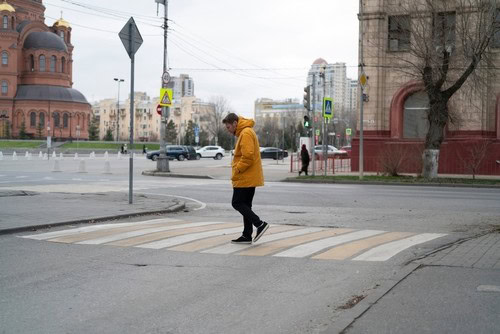
Your Rights After a Pedestrian Accident Don’t Disappear Outside the Crosswalk
Walking in the roadway when a sidewalk exists might seem like an automatic loss for your injury claim, but the reality is more nuanced. Thousands of pedestrians face injuries annually in situations where sidewalk use wasn’t practical or safe, leaving them wondering about legal recourse. New York law recognizes many valid reasons why pedestrians might need to use the roadway, and your case could still have merit even without sidewalk use at the time of your accident.
💡 Pro Tip: Document why you were in the roadway immediately after an accident – blocked sidewalks, construction zones, or safety hazards could strengthen your case significantly.
Ready to navigate your pedestrian accident case with ease? Connect with The Newman Firm to explore your options for fair compensation. Give us a ring at 7188962700 or contact us to embark on the path to justice today.
Understanding New York’s Pedestrian Laws and Your Legal Options
New York State Vehicle & Traffic Law Section 1156(a) requires pedestrians to use sidewalks when provided and can be used safely. That last part – "can be used with safety" – opens the door for legitimate exceptions. Ice-covered sidewalks, construction barriers, parked vehicles blocking the path, or aggressive dogs can create situations where the roadway becomes safer. A pedestrian accident lawyer in Queens understands these nuances and can build your case around the specific circumstances that led to your roadway use.
When sidewalks aren’t available, Section 1156(b) provides clear guidance: pedestrians should walk on the left side facing traffic and move further left when vehicles approach. Following these rules strengthens your position in a legal claim. The NY pedestrian traffic laws FAQ emphasizes that pedestrian safety involves shared responsibility between drivers and walkers.
💡 Pro Tip: Take photos of the accident scene showing sidewalk conditions, obstructions, or lack of pedestrian infrastructure – visual evidence carries significant weight in negotiations and court proceedings.
The Path from Accident to Compensation: What to Expect
Understanding the timeline of a pedestrian accident case helps set realistic expectations and ensures you don’t miss critical deadlines. New York’s statute of limitations gives you three years to file a personal injury lawsuit, but acting quickly preserves evidence and witness memories crucial to establishing why you were in the roadway.
- Immediate aftermath (0-72 hours): Seek medical treatment and report the accident to police, ensuring the official report captures roadway conditions and sidewalk hazards
- First month: Gather evidence including surveillance footage, witness statements, and injury documentation – critical for cases involving disputed sidewalk availability
- Months 2-6: Insurance companies evaluate claims and make initial settlement offers, which frequently undervalue cases where pedestrians weren’t using sidewalks
- Months 6-12: If negotiations stall, filing a lawsuit becomes necessary to protect your rights and push for fair compensation
- Year 2 and beyond: Discovery phase reveals driver behavior patterns, prior accidents at the location, and municipal awareness of sidewalk problems
💡 Pro Tip: Keep a recovery journal documenting your injuries, treatments, and how the accident impacts your daily life – personal accounts help humanize your case beyond medical records.
Building a Winning Strategy When Sidewalk Use Wasn’t Possible
Success in pedestrian accident cases often hinges on demonstrating that your roadway presence was reasonable under the circumstances. A pedestrian accident lawyer in Queens from firms like The Newman Firm knows how to investigate beyond surface facts. They examine maintenance records showing neglected sidewalks, weather reports confirming hazardous conditions, and municipal complaints about pedestrian infrastructure problems. This comprehensive approach transforms what might seem like a weak case into a compelling argument for compensation.
Comparative negligence laws in New York mean that even if you share some fault for being in the roadway, you can still recover damages reduced by your percentage of responsibility. If a speeding driver strikes you while you’re walking in the road due to an impassable sidewalk, you might be found 20% at fault while the driver bears 80% responsibility. Understanding these nuances helps set realistic expectations while pursuing maximum compensation.
💡 Pro Tip: Request intersection camera footage through your attorney within 30 days – many systems overwrite recordings quickly, and this evidence often shows driver negligence that overshadows pedestrian location issues.
Critical Factors That Strengthen Pedestrian Roadway Cases
Several elements can significantly bolster your claim even when you weren’t using an available sidewalk. Driver behavior remains paramount – speeding, distraction, impairment, or violating traffic signals often outweighs pedestrian location in determining liability. The NYC Vision Zero Borough Pedestrian Safety Action Plans 2023 Update reveals that targeted safety improvements have reduced pedestrian fatalities by 38-45% across boroughs, highlighting how infrastructure and driver behavior interplay in accident causation.
Environmental and Infrastructure Deficiencies
Poor lighting, absent crosswalks, and inadequate pedestrian signals create scenarios where roadway walking becomes inevitable. NYC DOT has installed over 5,500 Leading Pedestrian Intervals because traditional infrastructure often fails pedestrian safety needs. When municipalities acknowledge these deficiencies through safety programs, it strengthens arguments that pedestrian roadway use was reasonable. A pedestrian accident lawyer in Queens can leverage municipal safety data showing known hazards at your accident location.
💡 Pro Tip: Check if your accident location appears on Vision Zero priority corridors or has pending safety improvements – this municipal awareness can demonstrate known dangers that support your case.
Overcoming Insurance Company Tactics in Non-Sidewalk Pedestrian Cases
Insurance adjusters often immediately deny or lowball claims when they learn a pedestrian wasn’t using an available sidewalk. They count on victims not understanding their rights or the exceptions built into traffic laws. Experienced legal representation can counter these tactics by presenting comprehensive evidence about why sidewalk use wasn’t feasible and highlighting driver negligence that supersedes pedestrian location.
Evidence That Changes the Narrative
Weather reports showing ice or flooding, photographs of sidewalk obstructions, and testimony about temporary hazards can flip the insurance company’s narrative. Demonstrating that you followed Section 1156(b) requirements for roadway walking – staying left and facing traffic – shows legal compliance despite not using a sidewalk. National Safety Council data indicates that larger vehicles now dominate our roads, making driver responsibility even more critical when pedestrians have limited safe spaces.
💡 Pro Tip: Request the driver’s cell phone records through legal discovery – distracted driving often emerges as the primary cause regardless of pedestrian location.
Frequently Asked Questions
Common Concerns About Pedestrian Rights and Roadway Accidents
Understanding your legal options after a pedestrian accident requires clear answers to common concerns, especially when sidewalk use is questioned.
💡 Pro Tip: Write down your questions before meeting with an attorney – stress often causes important concerns to slip your mind during consultations.
Understanding Your Next Steps After a Roadway Pedestrian Accident
Moving forward after an accident requires understanding both your immediate needs and long-term legal strategy. The process becomes clearer when you know what to expect.
💡 Pro Tip: Keep all accident-related documents in one folder, including medical records, police reports, and insurance correspondence – organization speeds up your case significantly.
1. Can I still win a pedestrian accident case if I was walking in the street when a sidewalk was available?
Yes, you can still win your case. New York law requires sidewalk use only when it can be done safely. Obstructions, ice, construction, or other hazards that made the sidewalk unsafe create valid exceptions. Driver negligence like speeding or distraction often outweighs pedestrian location in determining fault.
2. What if I was partially at fault for not using the sidewalk in my pedestrian accident?
New York’s comparative negligence law allows recovery even if you’re partially at fault. Your compensation gets reduced by your percentage of fault. For example, if you’re 30% at fault for being in the roadway but the driver was speeding, you can still recover 70% of your damages. A pedestrian accident lawyer in Queens can help minimize your fault percentage.
3. How do I prove the sidewalk was unsafe or unusable when I had my accident?
Documentation is key. Take photos of obstructions, ice, construction zones, or poor lighting. Witness statements confirming hazards help significantly. Weather reports, municipal complaints, and maintenance records also support your case. Your attorney can subpoena additional evidence like surveillance footage showing sidewalk conditions.
4. How long do I have to file a lawsuit for a pedestrian accident in New York?
You have three years from the accident date to file a personal injury lawsuit in New York. However, if your accident involved a government vehicle or occurred due to municipal negligence, you must file a notice of claim within 90 days. Acting quickly preserves evidence and strengthens your position with insurance companies.
5. Should I accept the insurance company’s first offer if I wasn’t using the sidewalk?
First offers typically undervalue claims, especially when insurers think pedestrian location weakens your case. Consult with a pedestrian accident lawyer in Queens before accepting any settlement. They can evaluate whether the offer fairly compensates your medical expenses, lost wages, and pain and suffering while accounting for comparative negligence laws.
Work with a Trusted Pedestrian Accidents Lawyer
Pedestrian accident cases involving roadway walking require thorough investigation and nuanced legal arguments. The right legal representation understands how to demonstrate that your roadway presence was reasonable while highlighting driver negligence that caused your injuries. They investigate municipal records, analyze accident reconstruction data, and work with medical professionals to document your damages comprehensively. Your choice of attorney can mean the difference between a denied claim and fair compensation covering your medical bills, lost income, and the physical and emotional toll of your injuries.
Have you found yourself navigating the complexities of a pedestrian accident case? Reach out to The Newman Firm and explore your options for fair compensation. Give us a call at 7188962700 or contact us to take your first step toward justice.