
Your Rights When Living in Dangerous Housing Conditions
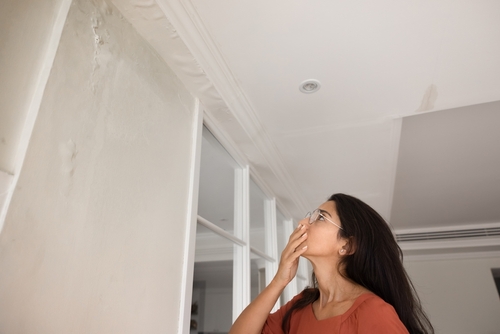
Living in unsafe housing conditions threatens your health, safety, and peace of mind daily. If you’re a Queens tenant facing hazardous conditions like lack of heat, broken windows, lead paint, or structural damage, New York law provides powerful protections to hold your landlord accountable. Under New York Real Property Law § 235-b, landlords must maintain residential premises in a condition "fit for human habitation and for the uses reasonably intended by the parties." This warranty of habitability cannot be waived, even if your lease states otherwise, and violations can form the basis for administrative complaints and civil lawsuits seeking damages.
💡 Pro Tip: Document all unsafe conditions immediately with photos, videos, and written complaints to your landlord – this evidence becomes crucial if you need to pursue legal action or file complaints with HPD.
Don’t let unsafe living conditions take a toll on your well-being any longer. Reach out to The Newman Firm to discuss your situation and explore your legal options. Give us a call at 7188962700 or contact us to take the first step towards justice and peace of mind.
Understanding Your Legal Protections as a NYC Tenant
New York State law creates an implied warranty of habitability in every residential lease, ensuring tenants’ right to safe and sanitary housing. This warranty covers your unit and common areas including hallways, stairwells, and lobbies. NYC landlords of multiple dwellings must keep apartments and public areas in "good repair" and maintain electrical, plumbing, heating, and ventilating systems in safe working order. When landlords breach these duties, tenants may pursue rent reductions, court-ordered repairs, or monetary damages through personal injury lawsuits if unsafe conditions cause physical harm.
💡 Pro Tip: The warranty of habitability applies even if your lease doesn’t mention it – any lease provision attempting to waive these protections is void as contrary to public policy under New York law.
Steps to Take When Facing Unsafe Building Conditions
Taking action against unsafe housing conditions involves several important steps that strengthen your position whether seeking repairs or pursuing damages. You must notify your landlord in writing about dangerous conditions – this creates a paper trail and starts legal timelines. For rent-regulated tenants filing with DHCR, complaints may only be filed between 10 and 60 days from the date notice was sent to the landlord.
- Report conditions to your landlord in writing via certified mail
- File a complaint with NYC’s 311 system to get a Service Request number
- Allow HPD inspectors to document violations (Class C violations for heat/hot water require immediate correction)
- If conditions threaten life, health or safety, initiate an HP proceeding in Housing Court
- Consult with a Queens personal injury lawyer if unsafe conditions have caused injuries
Legal Options for Queens Tenants Seeking Justice
When landlords fail to maintain safe building conditions, tenants have multiple avenues for justice and compensation. Housing Court judges can order landlords to make repairs, with emergency conditions receiving hearing dates within approximately one week. For tenants injured due to unsafe conditions, working with experienced counsel like The Newman Firm can help pursue personal injury claims for medical expenses, lost wages, and pain and suffering. The firm’s extensive experience with NYC premises liability cases means they understand both New York’s housing laws and how to build compelling cases when negligent landlords cause tenant injuries.
💡 Pro Tip: Keep all medical records, repair requests, and HPD violation notices together – these documents become critical evidence if you need to pursue a personal injury claim for injuries caused by unsafe building conditions.
Common Hazards That Can Lead to Tenant Injuries
Understanding hazards that commonly cause injuries in Queens rental properties helps tenants recognize when they may have grounds for legal action. Recent data shows pre-1974 rent-stabilized units in New York City average 1.76 maintenance deficiencies, with 75 percent more deficiencies than post-1973 stabilized units. This deterioration creates injury risks that an NYC premises liability attorney can address through civil litigation when landlords fail to make necessary repairs despite proper notice.
Lead Paint Exposure and Childhood Poisoning
Lead paint remains a serious hazard in older Queens buildings, with no amount of lead exposure considered safe for children. Under the New York City Childhood Lead Poisoning Prevention Act, landlords of older buildings must determine whether young children live in units and inspect for lead hazards. New York State Public Health Law requires health care providers to obtain blood lead tests for all children at ages 1 and 2. When landlords fail to properly remediate lead hazards and children suffer poisoning, families may have grounds for substantial personal injury claims.
💡 Pro Tip: If your child shows elevated blood lead levels and you live in a pre-1960 building, immediately document all peeling paint and request lead testing from your landlord in writing – this evidence becomes crucial for any potential legal action.
Financial Pressures and Building Deterioration in NYC
Understanding the broader context of building maintenance in New York City helps explain why unsafe conditions persist and why legal intervention often becomes necessary. Following the Housing Stability and Tenant Protection Act, Major Capital Improvement applications fell from 1,000 per year to around 300 per year, indicating fewer landlord-funded repair projects. This reduction in capital investment directly impacts tenant safety as buildings deteriorate without necessary upgrades.
The Impact on Rent-Stabilized Housing
While financial constraints don’t excuse landlords from their legal obligations to maintain safe housing, systemic underinvestment means tenants must be increasingly vigilant about documenting violations and pursuing legal remedies when conditions become dangerous. A Queens building accident lawyer can help tenants understand how these issues may strengthen claims for damages when injuries occur due to deferred maintenance.
Frequently Asked Questions
Legal Rights and Remedies for Unsafe Housing
Tenants often have questions about their rights when facing dangerous living conditions and what legal remedies are available. Understanding these options helps you make informed decisions about protecting your health and pursuing compensation if you’ve been injured.
💡 Pro Tip: Before meeting with an NYC personal injury attorney, compile a timeline of all incidents, complaints, and injuries related to unsafe building conditions – this preparation helps maximize your consultation time.
The Legal Process and What to Expect
Navigating the legal system can feel overwhelming, especially when dealing with ongoing unsafe conditions or recovering from injuries. Knowing what to expect helps reduce anxiety and ensures you’re prepared for each step.
1. Can I sue my landlord if I’m injured due to unsafe building conditions in Queens?
Yes, tenants can pursue personal injury lawsuits when landlords’ negligence in maintaining safe conditions causes injuries. Under New York law, landlords have a duty to maintain premises in good repair, and breaching this duty can make them liable for resulting injuries. A Queens personal injury lawyer can evaluate whether unsafe conditions like broken stairs, inadequate lighting, or structural defects caused your injury and help pursue compensation for medical bills, lost wages, and pain and suffering.
2. What’s the difference between filing an HPD complaint and hiring a Queens tenant rights lawyer?
HPD complaints trigger city inspections and can result in violation notices requiring repairs, while working with an attorney allows you to pursue monetary damages through civil litigation. HPD focuses on code enforcement and repairs but won’t compensate you for injuries or losses. An NYC liability attorney can help you understand when both approaches may be appropriate, especially if unsafe conditions have caused physical harm.
3. How do I prove my landlord knew about dangerous conditions before my injury?
Proving notice involves showing your landlord had actual or constructive knowledge of the hazard. Written complaints, 311 service requests, HPD violations, and testimony from other tenants establish actual notice. Without direct complaints, Queens personal injury laws may allow you to show constructive notice if the condition existed long enough that reasonable inspection would have revealed it. Documenting all communications and keeping copies of complaints strengthens your position significantly.
4. What timeline should I expect if I need to file an NYC personal injury lawsuit for unsafe housing?
Personal injury cases in New York generally must be filed within three years of the injury, though exceptions may apply. However, gathering evidence, obtaining medical documentation, and building a strong case takes time. Meeting with a Queens property injury lawyer soon after an injury helps preserve evidence and ensures you don’t miss critical deadlines while focusing on recovery.
5. Should I withhold rent or continue paying while pursuing legal action for injuries?
Withholding rent carries risks, as landlords may sue for nonpayment even when dangerous conditions exist. While tenants may withhold rent in response to serious habitability breaches, this can complicate your situation. An NYC building injury lawyer can advise on the best strategy for your circumstances, potentially recommending you continue paying rent while pursuing damages through a separate personal injury claim to avoid eviction proceedings that could interfere with your injury case.
Work with a Trusted Personal Injury Lawyer
When unsafe building conditions cause injuries, working with legal counsel who understands both New York’s housing laws and personal injury litigation becomes essential. The intersection of tenant rights and personal injury law requires thorough knowledge of multiple legal frameworks, from warranty of habitability to premises liability doctrines. Experienced attorneys can coordinate with housing advocates, gather evidence from HPD records, work with medical professionals to document injuries, and build compelling cases that hold negligent landlords accountable while pushing for repairs to prevent future injuries.
If you feel like you’re stuck between a rock and a hard place due to unsafe living conditions, it’s time to make a change. Connect with The Newman Firm for guidance on your legal options. Reach out today at 7188962700 or contact us to start your journey towards a safer living environment.