
Recovering After a Crash With an Uninsured or Unidentified Driver in New York City
Key Takeaways: If you were injured in a New York City crash caused by an uninsured, hit-and-run, or unidentified driver, MVAIC may provide compensation, but you must file a written Notice of Intention within the deadline set by New York Insurance Law § 5208, generally 90 days for hit-and-run or unidentified-vehicle claims and 180 days for identified uninsured vehicles. To file, confirm you are a "qualified person," complete the Notice of Intention forms, and submit supporting documentation. Hit-and-run claims require a court order under § 5218 and proof of reasonable efforts to identify the driver. MVAIC provides no-fault economic benefits and liability recovery, though damages are capped at amounts such as $25,000 per injured person. Whether you use MVAIC or your own uninsured motorist coverage depends on your policy. Because deadlines are strict and narrowly enforced, prompt action and careful documentation are essential.
If you were hurt in a New York City crash caused by a driver who had no insurance, fled the scene, or could not be identified, you may still recover compensation through the Motor Vehicle Accident Indemnification Corporation (MVAIC). Filing a timely Notice of Intention is critical, missing the deadline can permanently bar your claim. This guide explains the process, legal requirements, and how to protect your rights.
MVAIC claims involve strict procedural rules that differ from standard insurance claims. If you have questions, the team at The Newman Firm is ready to help. Call (718) 896-2700 or use our online consultation form to discuss your options.
What MVAIC Is and Why It Exists
MVAIC protects innocent victims when New York’s financial security requirements leave a gap. The law explains that the financial security act makes no provision for the payment of loss on account of injury to or death of persons who, through no fault of their own, were involved in motor vehicle accidents. MVAIC fills that void for eligible claimants.
New York Insurance Law § 5201(a) provides that this article may be cited as the motor vehicle accident indemnification corporation act. Article 52 of the Insurance Law controls MVAIC eligibility, deadlines, and recovery. A knowledgeable New York car accident attorney can help confirm whether you qualify.
Accidents That MVAIC Is Designed to Cover
MVAIC coverage applies to specific accident scenarios. According to New York Insurance Law § 5201(b)(1)-(6), covered situations include:
- Out-of-state uninsured vehicles
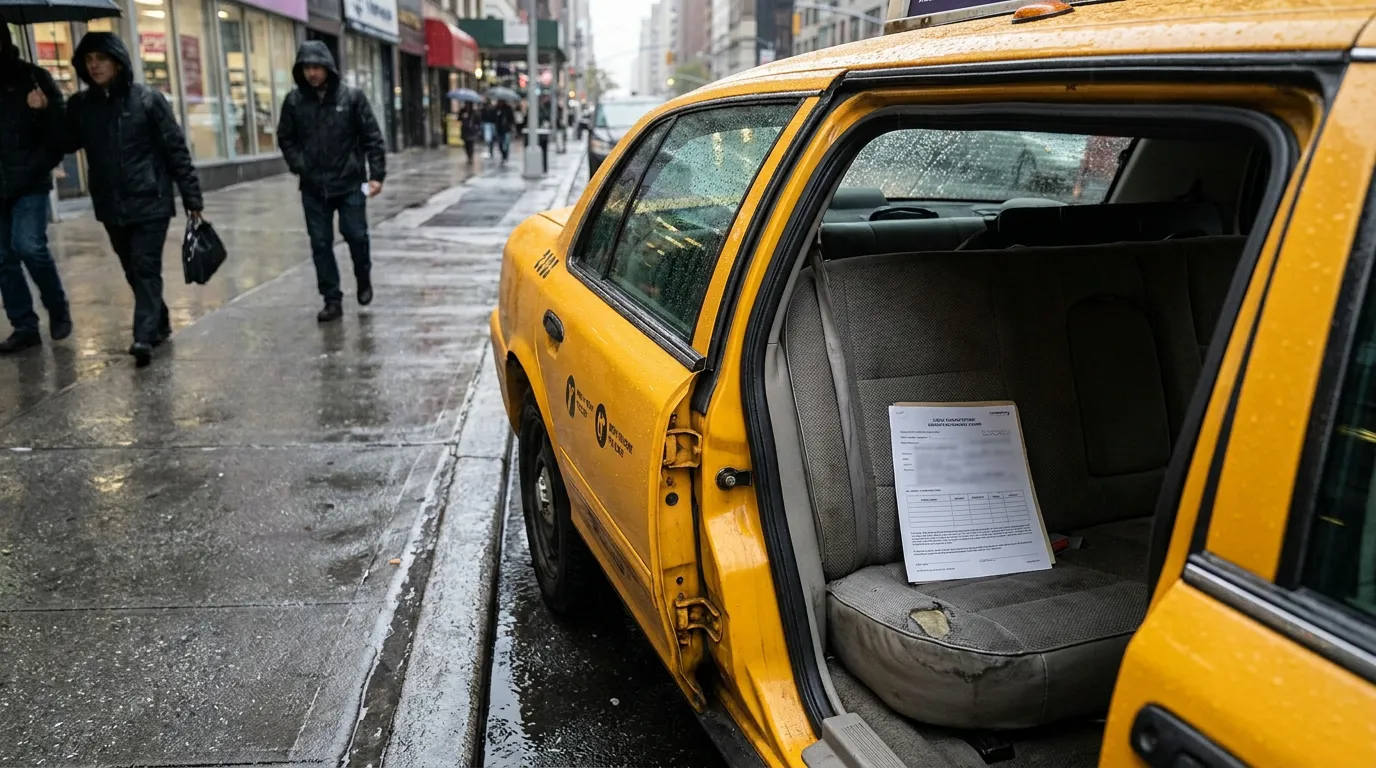
- Unidentified vehicles that leave the scene (hit-and-run)
- Vehicles registered in New York with no liability policy in effect
- Stolen vehicles
- Vehicles operated without the owner’s permission
- Insured vehicles where the insurer disclaims liability or denies coverage
These categories mirror private uninsured and underinsured motorist coverage. Uninsured Motorist coverage steps in when you are injured by a driver with no liability insurance, including hit-and-run accidents. If you carried your own policy, you may have recourse there. Our overview of what happens when the at-fault driver is uninsured explains how these remedies work together.
The MVAIC Notice of Intention Deadline You Cannot Miss
The most important rule in any MVAIC claim is the filing deadline. MVAIC requires a written Notice of Intention submitted within the time frame set by New York Insurance Law § 5208, generally 90 days from the accident for hit-and-run or unidentified-vehicle claims and 180 days for identified uninsured vehicles. Courts interpret these deadlines strictly. In hit-and-run cases, report the accident to police within 24 hours or as soon as reasonably possible. Confirm the applicable window immediately, as it can vary based on your circumstances.
Prompt reporting is a legal prerequisite. You should report the accident as soon as possible, because there are often strict deadlines for initiating a claim. Treating the mvaic notice of intention deadline as an immediate priority preserves your ability to recover. Waiting can forfeit an otherwise valid claim.
💡 Pro Tip: Even if you are unsure whether the other driver was insured, file protective documentation right away. Confirming insurance status takes time, and starting early preserves your options if MVAIC is your only path.
How to File an MVAIC Notice: Step by Step
Filing an MVAIC notice requires gathering information and acting quickly. The MVAIC filing steps involve confirming you are a "qualified person," completing the Notice of Intention forms, and submitting supporting documentation of the accident and injuries. Claimants typically must submit a notarized Household Affidavit confirming that no one in their household has auto insurance that could cover them. Hit-and-run claims include additional requirements discussed below.
Documentation strengthens every stage. Keep meticulous records of all accident-related expenses, including medical bills, lost income, and vehicle repair costs. Organized proof supports both liability claims and no-fault benefits.
| Situation | Key MVAIC Requirement |
|---|---|
| Uninsured identified driver | Timely Notice of Intention under § 5208 |
| Hit-and-run, unidentified vehicle | Notice plus court order under § 5218 |
| No-fault (economic loss) benefits | Qualified person status under § 5201 |
Special Rules for Hit-and-Run and Unidentified Vehicles
Hit-and-run crashes carry an extra procedural requirement beyond the notice of intention. When the driver cannot be identified, you must obtain court permission before suing. Under New York Insurance Law § 5218(a), a qualified person may, upon notice to the corporation, apply to a court for an order permitting an action against the corporation.
A court grants permission only when several conditions are satisfied. Under Insurance Law § 5218(b), the court may permit the action only after being satisfied that the applicant complied with section 5208, is a qualified person, was not operating an uninsured or suspended vehicle, has a cause of action, and that all reasonable efforts have been made to ascertain the identity of the motor vehicle and of the owner and operator. Review the full text in Insurance Law § 5218. Meeting the "reasonable efforts" standard often means reporting to police promptly and preserving witness information.
A narrow second chance exists if judgment is rendered for the defendant on the sole ground that the plaintiff’s injury was caused by a motor vehicle whose identity has not been established. Insurance Law § 5218(c) provides that the plaintiff may, within three months from the date of the entry of that judgment, make application to bring an action upon the cause against the corporation.
Benefits Available and the Limits on Recovery
MVAIC provides both liability recovery and no-fault economic benefits. Insurance Law § 5201(b) states that this article is intended to provide no-fault benefits for qualified persons for basic economic loss arising out of the use and operation in this state of an uninsured motor vehicle. Medical costs and certain lost earnings may be recoverable even before any liability action.
Liability recovery through MVAIC is capped by statute. Under Insurance Law § 5210(a), a judgment shall not exceed twenty-five thousand dollars for injury to one person, fifty thousand dollars for the death of one person, fifty thousand dollars for injuries to more than one person subject to the per-person cap, and one hundred thousand dollars for multiple deaths. These limits are further reduced by any collectible insurance available from the at-fault motorist under § 5210(b)(1). Read the statutory recovery caps directly. Because damages in serious cases can exceed these amounts, evaluating every available source of compensation is important.
Who is directed to MVAIC depends on whether you carried coverage. An insured victim seeks recourse under § 3420(f), while an uninsured qualified person must file with MVAIC. Sorting out the correct path early prevents wasted time and missed deadlines. For guidance from a mvaic notice of intention deadline lawyer, our Queens-based team can review your coverage and eligibility.
Frequently Asked Questions
1. What is the mvaic notice of intention deadline in NYC?
The deadline is generally 90 days from the accident for hit-and-run or unidentified-vehicle claims and 180 days for identified uninsured-vehicle claims under New York Insurance Law § 5208. Confirm it immediately, as it depends on your circumstances. Courts treat this deadline strictly.
2. Who qualifies to file a MVAIC notice of intention NYC claim?
Generally, a "qualified person" who was not operating an uninsured or suspended vehicle may file. Eligibility also depends on the vehicle falling within a covered category under § 5201(b).
3. Does MVAIC cover an uninsured motorist accident NYC victims did not cause?
Yes, when the at-fault vehicle is uninsured, unidentified, stolen, or otherwise within the statutory gaps. MVAIC is designed for innocent victims, not drivers who were themselves uninsured or unlawfully operating a vehicle.
4. How is a MVAIC claim different from a regular civil lawsuit?
MVAIC filing steps are administrative and separate from a standard negligence lawsuit. The Notice of Intention is a prerequisite, and hit-and-run cases require a court order before suit.
5. What if the other driver claims to have insurance but the insurer denies coverage?
A disclaimer or denial of coverage can bring your claim within MVAIC’s scope under § 5201(b)(6). You must still satisfy the notice requirements. Document the denial in writing.
Protecting Your Claim Before Time Runs Out
Filing an MVAIC Notice of Intention correctly and on time is the foundation of any recovery after a crash with an uninsured or unidentified driver. The rules under Article 52 are strict, deadlines are short, and recovery caps make it essential to identify every available remedy. By documenting your losses, acting quickly, and understanding whether MVAIC or your own coverage applies, you give your claim the strongest footing.
If you or a loved one was injured by an uninsured or hit-and-run driver, do not wait until the notice of intention MVAIC deadline passes. Contact The Newman Firm today by calling (718) 896-2700 or using our secure case review form to protect your rights and pursue the compensation you deserve.