
Understanding Your Rights After NYC’s Surge in Traffic Crashes
Key Takeaways: New York City recorded over 30,000 collisions in the first five months of 2026. New York law provides multiple recovery layers: no-fault benefits offering up to $50,000 regardless of fault, subject to strict Regulation 68 notice deadlines; MVAIC and SUM coverage when drivers are uninsured or underinsured; and comparative negligence rules, New York generally follows pure comparative negligence under CPLR § 1411(a), but for motor vehicle accident cases commenced on or after May 26, 2026, CPLR § 1411(b) bars recovery if the plaintiff is more than 50% at fault; plaintiffs 50% or less at fault may recover reduced damages.
New York City has already recorded more than 30,000 collisions in just the first five months of 2026, a sobering figure affecting drivers, passengers, cyclists, and pedestrians across all five boroughs. If you are searching NYC collision data wondering what legal protections exist, New York law provides several recovery layers, from no-fault benefits to lawsuits against at-fault parties. Understanding these rules and deadlines can determine whether your claim is preserved or lost.
If you or a loved one was hurt in one of these crashes, The Newman Firm is ready to help. Call us at 718-896-2700, reach us through our secure contact page, or visit our firm’s website. Acting early protects your evidence and legal rights.
What the 2026 Collision Numbers Mean for Injured New Yorkers
With over 30,000 collisions in only five months, many victims face medical bills, lost income, and long recoveries. These aren’t just numbers; they represent families navigating confusing and adversarial insurance systems.
National data continues to show dangerous roadways remain a public safety challenge. Review the federal picture through latest national traffic death estimates or our discussion of NYC traffic deaths through Q3 2025.
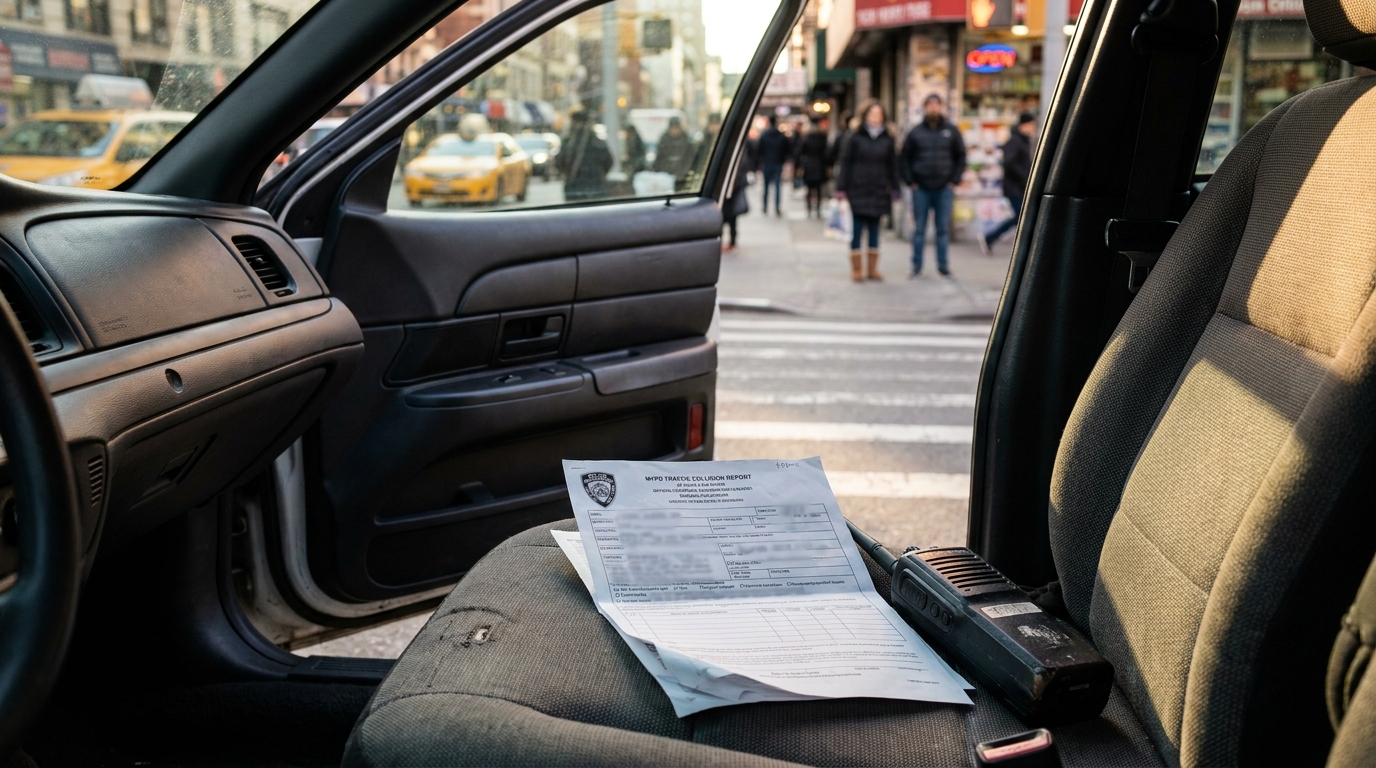
💡 Pro Tip: Save photos, the police report number, and witness names immediately after a crash. Evidence disappears quickly, and early documentation strengthens auto accident claims in NYC.
No-Fault Benefits: Your First Line of Financial Recovery
New York’s no-fault system provides quick financial relief regardless of fault. Under NY Insurance Law § 5103(a), every owner’s policy must provide first-party benefits to persons injured by motor vehicle use in the state, other than occupants of another vehicle or a motorcycle. Drivers, passengers, pedestrians, and cyclists struck by a car may all qualify for benefits covering medical bills and lost wages, though motorcyclists are generally excluded. A $2,000 death benefit is provided to the estate of a covered person who dies from the accident.
Benefits are substantial but limited. New York no-fault generally provides up to $50,000 in basic economic loss per injured person, with higher optional limits available. Once exhausted, injured parties may explore Additional Personal Injury Protection, private health insurance, Social Security Disability, or lawsuits against at-fault parties. The state’s no-fault insurance FAQs explain these options.
Strict deadlines control benefit payments. Under Regulation 68, written notice must be submitted within 30 days of the accident, proof of medical bills within 45 days of treatment, and lost wage claims within 90 days. Missing these windows can jeopardize benefits, though insurers may accept late submissions with reasonable justification. Courts and carriers interpret these timeframes strictly.
💡 Pro Tip: Notify your insurer in writing immediately after a crash, even if you’re unsure of injury extent. The 30-day clock starts on the accident date.
When the At-Fault Driver Has No Insurance or Too Little
Not every driver in NYC’s thousands of annual collisions carries valid coverage. NY Insurance Law § 5202(j) defines a "financially irresponsible motorist" as the owner, operator, or other person legally responsible for the operation of an uninsured motor vehicle involved in an accident resulting in personal injury or death, who did not have in effect at the time of such accident a valid and collectible policy of bodily injury liability and property damage liability insurance or bond with applicable minimum limits, a certificate of self-insurance, or other compliance with the financial security requirements of the Vehicle and Traffic Law. Victims, or "qualified persons," generally include New York residents other than the uninsured vehicle’s owner.
The Motor Vehicle Accident Indemnification Corporation (MVAIC) closes these coverage gaps. Through NY Insurance Law § 5201, the legislature ensures collision victims harmed by uninsured, unidentified (hit-and-run), stolen, or unauthorized vehicles aren’t left without recourse, provided they meet notice and eligibility conditions.
Underinsurance presents challenges when injuries are severe. Many at-fault drivers carry only minimum limits insufficient for catastrophic costs. New York law requires insurers to offer Supplementary Uninsured/Underinsured Motorist (SUM) coverage up to the policyholder’s bodily injury liability limits. Coverage information can often be obtained through pre-suit requests or discovery.
Why an Experienced New York Car Accident Attorney Matters
A knowledgeable New York car accident attorney navigates overlapping insurance rules, fault determinations, and filing deadlines. New York generally follows pure comparative negligence under CPLR § 1411(a), meaning damages are reduced by fault percentage. However, for motor vehicle accident cases commenced on or after May 26, 2026, CPLR § 1411(b) provides a modified comparative negligence rule: a plaintiff who is more than 50% at fault is barred from recovering damages, while a plaintiff who is 50% or less at fault may still recover reduced damages.
Proving claims requires establishing duty, breach, causation, and damages. A car crash lawyer gathers medical records, accident reports, and witness statements to establish liability. While no attorney can guarantee results, thorough preparation strengthens cases. Queens residents can connect with a Queens auto accident attorney familiar with borough courts.
Government entity claims follow stricter rules. Special procedures and shorter notice deadlines apply when public vehicles or roadway conditions contribute to crashes. In New York, notice of claim must generally be filed within 90 days.
💡 Pro Tip: If a city bus, sanitation truck, or government vehicle was involved, ask about notice-of-claim deadlines immediately. These periods are much shorter than standard civil deadlines.
Deadlines That Can Make or Break Your Claim
The statute of limitations sets firm boundaries for car accident lawsuits in New York. Personal injury claims generally have a three-year deadline from the accident date under CPLR § 214. Property damage claims also carry three years under the same statute.
Different claim types carry different deadlines, and exceptions are narrow. While tolling or discovery rules may extend deadlines in limited circumstances, courts apply exceptions cautiously. The table below summarizes common New York deadlines.
| Claim Type | General Deadline | Authority |
|---|---|---|
| Personal injury (car accident) | 3 years from accident | CPLR § 214 |
| Property damage | 3 years from accident | CPLR § 214 |
| Wrongful death | 2 years from death | NY statutes |
| Medical malpractice | 2 years and 6 months | NY statutes |
| No-fault written notice | 30 days from accident | Regulation 68 |
Early calendaring is essential. Wrongful death actions must be filed within two years of death, and medical malpractice claims within two years and six months. When multiple claims overlap, the earliest deadline often controls.
Practical Steps to Protect Your Recovery
Taking the right steps after a crash preserves both health and legal claims. Documentation and timely care form the foundation of strong cases. Consider:
- Seek prompt medical evaluation, even for seemingly minor injuries.
- Report the accident to your insurer in writing within the no-fault window.
- Keep copies of all bills, records, and correspondence.
- Request the police accident report and note witnesses.
- Avoid recorded statements to opposing insurers before seeking guidance.
Getting reliable New York auto accident help early prevents costly mistakes. Insurers may move quickly to limit payouts. A New York car accident attorney can evaluate whether your injuries meet the serious-injury threshold needed to pursue lawsuits beyond no-fault benefits.
Frequently Asked Questions
1. Who qualifies for no-fault benefits after an NYC crash?
Generally, drivers, passengers, pedestrians, and cyclists injured by motor vehicle use may qualify under NY Insurance Law § 5103(a), regardless of fault. Occupants of another vehicle or motorcycle are treated differently, and motorcyclists are generally not covered.
2. How long do I have to file a car accident lawsuit in New York?
Personal injury claims must generally be filed within three years of the accident under CPLR § 214. Other claim types, like wrongful death, carry shorter deadlines.
3. What if the at-fault driver had no insurance?
Victims of financially irresponsible motorists may seek recovery through MVAIC under NY Insurance Law § 5201, subject to meeting qualified person definitions and MVAIC notice requirements.
4. Can I still recover if I was partly at fault?
Yes, in many cases. New York generally follows pure comparative negligence under CPLR § 1411(a), but for motor vehicle accident cases commenced on or after May 26, 2026, CPLR § 1411(b) bars recovery if you are more than 50% at fault; if you are 50% or less at fault you may still recover reduced damages.
5. What happens if my expenses exceed $50,000 in no-fault benefits?
Once basic benefits are exhausted, explore Additional PIP, private health insurance, Social Security Disability, or lawsuits against at-fault parties, subject to eligibility and legal thresholds.
Moving Forward After a Collision
The 2026 NYC collision data confirms thousands of New Yorkers are navigating injury claims, and you don’t have to do it alone. From no-fault deadlines to comparative negligence and MVAIC claims, New York’s legal framework offers meaningful protections, but they depend on timely, well-documented action.
If you’re ready to discuss your situation, The Newman Firm is here to help. Call us at 718-896-2700, send a message through our online contact form, or visit The Newman Firm online to protect your rights.