

Untangling Liability After a Commercial Moped Hits a Pedestrian in NYC
Key Takeaways: When a commercial moped strikes a pedestrian in NYC, liability extends beyond the rider to include the delivery company, vehicle owner, insurer, and MVAIC for uninsured or hit-and-run vehicles. Third-party pedestrians retain full tort rights against both rider and employer, except where Workers’ Compensation Law § 29(6) limits claims by injured co-workers. New York’s no-fault system provides first-party benefits for medical expenses and lost wages regardless of fault, while pure comparative negligence under CPLR § 1411 allows recovery even when the pedestrian shares blame. Strong cases require proving negligence, analyzing comparative fault, and uncovering all insurance coverage. Strict deadlines include a three-year statute of limitations and, for government entities, a ninety-day Notice of Claim requirement plus one-year-and-ninety-day suit deadline.
When a commercial moped strikes a pedestrian in New York City, liability often extends beyond the rider to include the delivery company, vehicle owner, insurer, or state indemnification fund. New York’s no-fault framework, comparative negligence rules, and commercial-employer doctrines create multiple recovery sources. If you were hurt in a moped pedestrian accident, the team at The Newman Firm can help. Reach a New York City pedestrian accident attorney at (718) 896-2700 or through the firm’s online contact page.
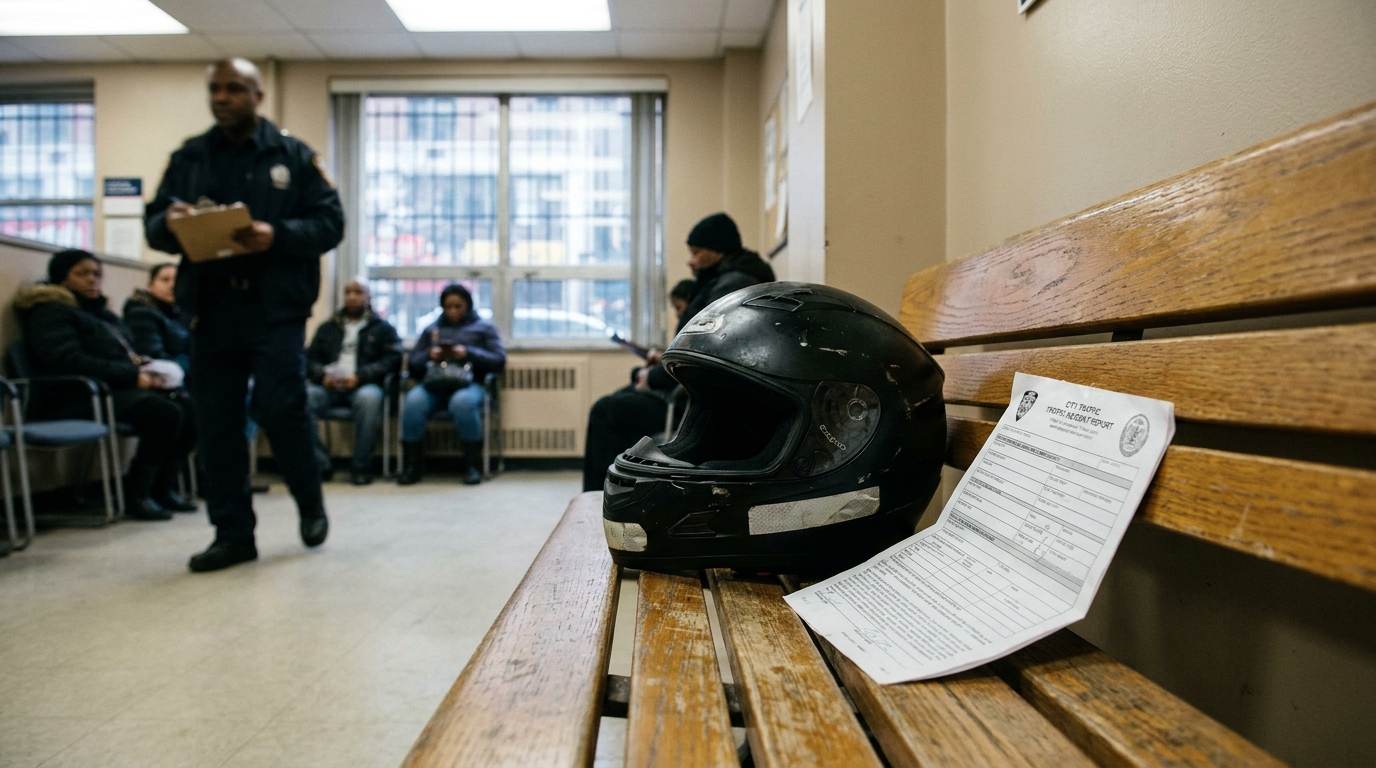
Who Can Be Held Responsible for a Delivery Moped Crash
Liability in commercial moped collisions frequently spreads across multiple parties. NYC delivery operations typically involve a rider, vehicle owner, and company or app directing the work. Each relationship opens a separate avenue for a pedestrian accident claim.
The Rider and the Employer
When a commercial delivery moped operator injures a third-party pedestrian who is not a co-worker, the pedestrian generally retains full rights to pursue a tort claim against both rider and employer. Employer liability depends on the rider acting within employment scope. Whether a delivery worker is an employee or independent contractor can be contested. Under New York Workers’ Compensation Law § 29(6), if the injured party was a co-worker of the moped operator acting within employment scope, workers’ compensation is generally the exclusive remedy, barring a separate tort suit.
How Negligence Is Established
A moped operator can be found negligent when proceeding despite knowing pedestrians regularly cross while unable to see ahead. In one Court of Claims decision, the court found that a driver who moved forward "knowing that pedestrians were regularly crossing" while "unable to see pedestrians or other vehicles" created a situation where the pedestrian’s acts "were not the sole proximate cause of the accident." This reasoning applies to commercial riders pushing through crowded crossings.
💡 Pro Tip: Photograph the moped’s license plate, delivery bags, branding, app logos, and rider’s identification. These details help identify the employer or platform that may share liability.
How No-Fault Benefits Protect Injured Pedestrians
New York’s no-fault system entitles many pedestrians struck by commercial mopeds to first-party benefits regardless of fault. Under New York Insurance Law § 5103(a)(1), every owner’s motor vehicle liability policy must provide first-party benefits to persons, other than occupants of another motor vehicle or motorcycle, for loss arising from vehicle use. Pedestrians are generally covered. Whether a moped qualifies as a covered "motor vehicle" depends on its size, power, classification, and registration.
These first-party benefits cover basic economic loss such as medical expenses and lost wages, subject to statutory limits. The moped owner’s insurer is typically the primary source. Review the statutory framework in New York’s no-fault benefits law. No-fault benefits address economic loss; recovering for pain and suffering requires meeting New York’s serious-injury threshold.
💡 Pro Tip: Seek medical care promptly and keep every bill, record, and prescription. No-fault claims have strict early filing windows, and treatment gaps can complicate benefits and later injury cases.
When the Moped Is Uninsured, Unregistered, or Flees the Scene
Pedestrians struck by uninsured or hit-and-run mopeds are not without recourse. The Motor Vehicle Accident Indemnification Corporation (MVAIC) closes gaps left by the Motor Vehicle Financial Security Act. Under New York Insurance Law § 5201(b), the Legislature recognized that the act failed to fully protect victims injured by: (1) uninsured motor vehicles registered in another state, (2) unidentified motor vehicles that leave the scene of the accident, (3) motor vehicles registered in this state as to which at the time of the accident there was not in effect a policy of liability insurance, (4) stolen motor vehicles, (5) motor vehicles operated without the owner’s permission, and (6) insured motor vehicles where the insurer disclaims liability or denies coverage.
MVAIC is obligated to provide first-party no-fault benefits for qualified persons even when the at-fault moped operator carries no insurance. New York Insurance Law § 5221(b)(1) directs the corporation to pay first-party benefits for basic economic loss from uninsured motor vehicle use. This safety net is relevant where some NYC delivery mopeds operate without proper insurance or registration. Strict deadlines apply, including prompt accident reporting in hit-and-run cases.
How a New York City Pedestrian Accident Attorney Builds Liability
A New York City pedestrian accident attorney builds moped liability cases by combining negligence evidence, comparative-fault analysis, and aggressive insurance discovery. Establishing fault is foundational, but maximizing recovery requires uncovering every layer of coverage and accurately calculating damages.
Sharing Fault Without Losing Your Claim
An injured pedestrian can establish a moped operator’s liability while sharing some fault. Under Bilsky v State of New York, 2021 NY Slip Op 51088(U), "a claimant is not required to establish the absence of his own comparative negligence in order to obtain partial summary judgment," citing Rodriguez v City of New York, 31 NY3d 312 (2018). New York follows pure comparative negligence under CPLR § 1411, so a partially responsible pedestrian can still recover damages reduced by their fault share. Read more in New York’s comparative negligence statute.
How Set-Offs Are Calculated
When a jury allocates fault to the pedestrian, New York courts reduce recovery to reflect that fault. Under CPLR § 5041, which governs judgment entry in personal injury actions, the court applies comparative negligence, set-offs, and credits in calculating damages. A pedestrian found twenty percent at fault may recover eighty percent of total damages.
Uncovering Every Layer of Insurance
Commercial delivery operations often carry multiple insurance layers, and New York procedure requires defendants to disclose them. Under CPLR § 3101(f), parties may obtain discovery of any insurance agreement under which a person may be liable to satisfy a judgment, and recent amendments require defendants to disclose primary, excess, and umbrella policies. Knowing total available limits helps assess full claim value. For similar coverage questions, understand your rights after a delivery driver crash in NYC’s commercial districts.
When a Driver Cannot Blame Sudden Conditions
A moped operator may raise the common-law emergency doctrine, but New York courts apply it narrowly. The doctrine was discussed in Rivera v New York City Transit Auth., 77 NY2d 322 (1991), where the Court of Appeals explained that a party is entitled to an emergency-doctrine instruction if some evidence of a qualifying emergency is presented. Separately, in Lifson v City of Syracuse, 17 NY3d 492 (2011), the Court held that sun glare "cannot be considered a sudden and unexpected circumstance" under the specific facts presented, reversing the lower court’s decision to give the emergency doctrine instruction to a driver who claimed he was blinded by sun glare while turning westbound at sunset.
💡 Pro Tip: Request nearby businesses preserve surveillance footage immediately. Many systems overwrite recordings within days, and a timely preservation letter can protect crucial crash evidence.
Deadlines That Can Make or Break Your Pedestrian Claim
Filing deadlines in New York pedestrian cases are strict, and missing one can bar recovery entirely. The standard statute of limitations for personal injury claims is three years from the accident date under CPLR § 214.
Certain limited circumstances may affect the deadline, but courts interpret exceptions narrowly. Under CPLR § 203(g), where a deadline is computed from when facts were discovered, the action must be commenced within two years after discovery, or within the otherwise applicable period, whichever is longer. If a government agency is involved, a Notice of Claim must be filed within ninety days under General Municipal Law § 50-e, and any lawsuit within a year and ninety days under General Municipal Law § 50-i.
| Deadline Type | General Time Frame | Common Application |
|---|---|---|
| Personal injury lawsuit | 3 years from accident | Suit against private moped rider or employer |
| Municipal Notice of Claim | 1 year and 90 days | Claims involving government entity |
| Discovery-based extension | Up to 2 years from discovery | Delayed-onset injuries, in limited circumstances |
For a deeper look, the firm’s overview of how a New York City pedestrian accident attorney approaches these claims can help.
💡 Pro Tip: Treat your deadline as the earliest possible date, not the latest. Acting quickly preserves evidence, protects no-fault filing windows, and avoids disputes about when the clock started.
Frequently Asked Questions
1. Can I recover if I was partly at fault for the moped collision?
Yes. New York follows pure comparative negligence under CPLR § 1411, and Bilsky v State of New York confirms a claimant need not disprove their own comparative fault. Your recovery is reduced by your percentage of fault.
2. What if the moped that hit me had no insurance?
You may have options through MVAIC. Under New York Insurance Law §§ 5201(b) and 5221(b)(1), the corporation may provide first-party benefits to qualified pedestrians injured by uninsured, unregistered, or hit-and-run vehicles.
3. Who pays my medical bills right after the crash?
No-fault first-party benefits generally cover initial medical expenses and lost wages, up to statutory limits. Under New York Insurance Law § 5103(a)(1), the moped owner’s insurer is typically the primary source.
4. How long do I have to file a lawsuit?
The standard window is three years from the accident under CPLR § 214. If a government entity is involved, a Notice of Claim is required within ninety days, and any lawsuit within a year and ninety days.
5. Can I sue both the rider and the delivery company?
Often, yes. Third-party pedestrians generally retain tort rights against both rider and employer, though Workers’ Compensation Law § 29(6) may limit claims if the injured person was a co-worker.
Protecting Your Right to Recover After a Moped Strikes You
Determining liability when a commercial moped strikes a pedestrian in NYC requires weaving together no-fault insurance rules, comparative negligence principles, employer liability doctrines, and strict filing deadlines. Responsibility may fall on the rider, delivery company, vehicle owner, insurer, or MVAIC. Strong claims require prompt evidence preservation and understanding of controlling New York statutes.
If a delivery moped has upended your life, The Newman Firm is ready to help you understand your rights and pursue fair compensation. Connect with a trusted pedestrian injury lawyer NYC team by calling (718) 896-2700 or visiting the firm’s confidential case review form to take the next step today.