

When a Hazard Is Visible, New York Law May Still Protect You
Key Takeaways: Yes, you can often still sue in New York City even if the hazard that caused your fall was visible, because New York does not treat the open and obvious doctrine as a complete bar to recovery. Under the state’s pure comparative negligence rule, CPLR § 1411, your share of fault generally reduces your damages rather than erasing them, even if you were mostly at fault. A property owner’s duty to keep the premises reasonably safe usually continues even when a hazard is visible, though some courts may dismiss claims over conditions that are both obvious and not inherently dangerous. Defendants generally must plead your alleged carelessness as an affirmative defense under CPLR § 3018(b) and bear the burden of proving it, so prompt evidence like photos, surveillance footage, witness information, and medical records can shape how fault is divided. Claims against private defendants generally must be filed within three years, while falls on city property generally require a notice of claim served within 90 days and a lawsuit within one year and 90 days.
Yes, in many cases you can still sue in New York City even if the hazard that caused your fall was visible. Many injured people assume that if they could have seen the spill, the broken step, or the icy patch, they have no case. Under the open and obvious doctrine New York courts apply, a visible hazard does not automatically bar a claim. It is generally treated as a question of how fault should be shared. Your own carelessness may reduce what you can recover, but it usually does not take away your right to sue.
If you were hurt in a fall and the property owner or insurer says the hazard was "obvious," you can speak with The Newman Firm about your options. Call (718) 896-2700 or contact us now to talk through what happened.
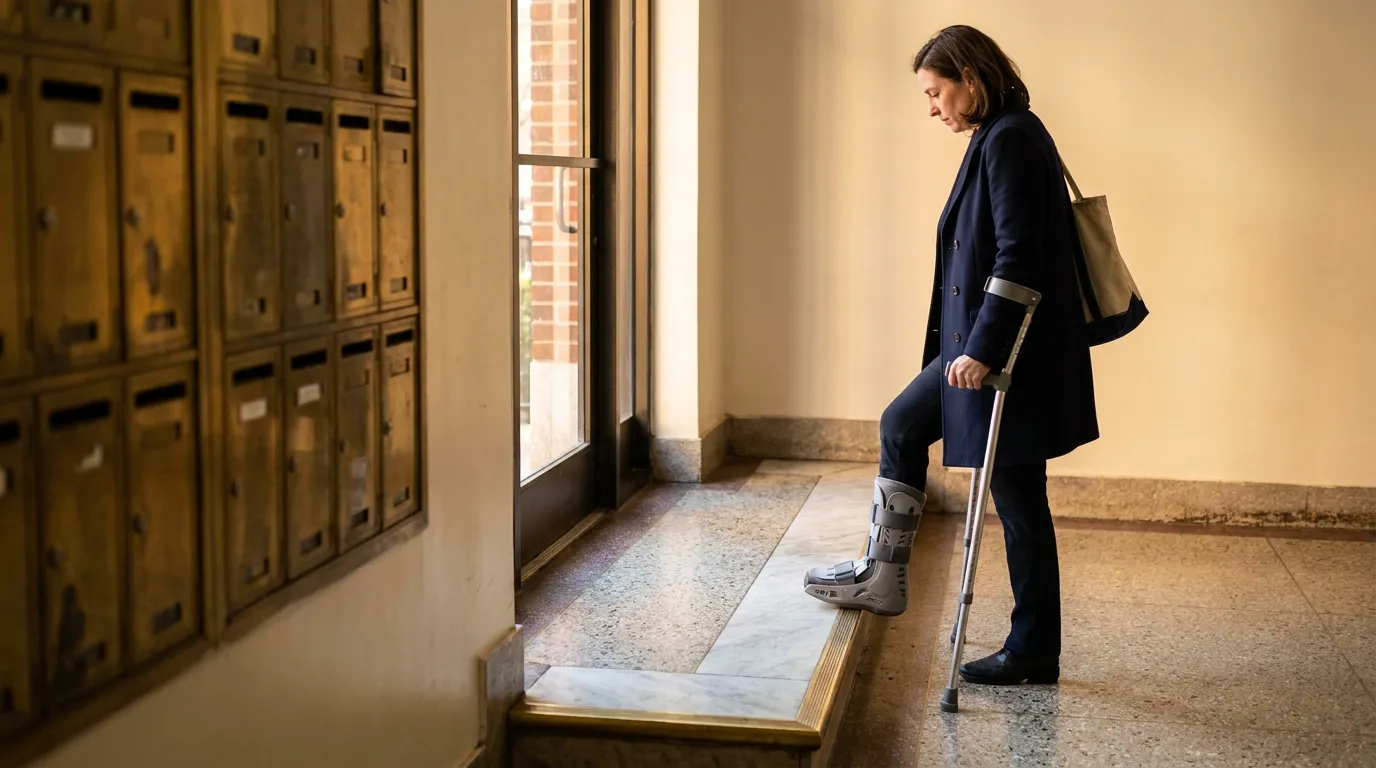
How the Open and Obvious Doctrine New York Courts Apply Actually Works
In some states, an "open and obvious" hazard can end a case before it starts, but New York generally takes a different approach. Elsewhere, a property owner can argue that a visible danger removed any duty to protect visitors. New York generally does not use the defense as a complete bar. Instead, the state’s pure comparative negligence rule generally applies.
Under New York law, a property owner generally has a duty to keep the premises in a reasonably safe condition. A visible hazard may remove the owner’s duty to warn, but it usually does not erase the separate duty to fix or maintain the property. That matters because many New York premises liability claims rest on poor maintenance, not a missing warning sign.
Where the Doctrine Can Still Hurt a Claim
Courts do not treat every visible condition the same way. In some cases, a court may find that a condition was both obvious and not inherently dangerous, and dismiss the claim. Minor sidewalk defects raise a related issue, and you can read more about how the trivial defect doctrine may affect trip and fall New York claims. These questions depend heavily on photographs, measurements, lighting, and surroundings at the time of the fall.
Pure Comparative Negligence: Your Share of Fault Reduces, Not Erases, Recovery
New York follows a "pure" comparative negligence rule, codified at CPLR § 1411. Under the state’s comparative negligence statute, culpable conduct by the injured person, "including contributory negligence or assumption of risk," does not bar recovery. Instead, damages are reduced in proportion to the injured person’s share of fault.
Even a plaintiff found significantly at fault may still recover a percentage of damages. Many other states cut off recovery once a plaintiff reaches 50% or 51% fault. New York has no such cutoff. For example, if a jury finds that a fall victim was 60% at fault for not avoiding a visible hazard, that person may still recover 40% of the damages awarded.
What a Jury May Consider When Assigning Fault
When a hazard was visible, the defense will often argue that you should have noticed and avoided it. Juries and courts may look at factors including:
- Whether lighting, crowds, or displays drew attention away from the hazard
- How long the condition existed and whether the owner knew or should have known about it
- Whether a reasonable person in your position could have safely avoided it
- Whether the owner had a practical way to fix, block off, or clean up the hazard
- What footwear, weather, and walking conditions were present
💡 Pro Tip: A hazard that looks "obvious" in a later photo may not have been obvious in the moment. If glare, shadows, or a busy aisle made it hard to see, note those details and photograph the area under similar conditions as soon as you safely can.
The Defense Must Raise Your Fault: Understanding "Culpable Conduct"
When a NYC property owner argues that a visible hazard should reduce your claim, that argument is treated as an affirmative defense. Under CPLR § 3018(b), a party must plead "culpable conduct claimed in diminution of damages" as an affirmative defense in its answer. The owner must specifically raise your alleged carelessness and bears the burden of proving it. Raising this defense reduces damages; it does not by itself dismiss your case.
This rule has practical importance. Although the defendant must prove the culpable conduct claim, you still carry the burden on your own case. Proving property owner negligence usually requires showing duty, breach, causation, and damages by a preponderance of the evidence. You generally must also show that the owner created the hazard or had actual or constructive notice of it.
Building Evidence That Counters an "Obvious Hazard" Argument
Strong documentation can shift how fault is viewed. Surveillance footage is often overwritten within days or weeks, so a prompt written request to preserve it can be important. Witness contact information, incident reports, and photos of the scene can help show how long the condition existed. Consistent medical records can also connect your injuries to the fall.
💡 Pro Tip: Avoid giving recorded statements to a property owner’s insurer before you understand your rights. Casual comments such as "I wasn’t looking" may later be used to argue that you carried a larger share of fault.
Filing Deadlines Apply Whether the Hazard Was Visible or Hidden
A person injured in a NYC slip-and-fall generally has three years from the accident to file a lawsuit against a private defendant. This deadline comes from CPLR § 214(5) and is the same whether the hazard was visible or hidden.
Missing the statute of limitations generally allows the defendant to have the case dismissed, regardless of its merits. Limited exceptions can extend the deadline, such as tolling for injured minors or people with certain mental disabilities under CPLR § 208. Courts often interpret these exceptions narrowly.
Falls on City Property Follow a Shorter, Stricter Process
If you fell on city-owned property, such as certain sidewalks, parks, or public buildings, much shorter deadlines may apply. A notice of claim must generally be served within 90 days of the incident under N.Y. General Municipal Law § 50-e, although a court may allow late notice in limited circumstances. The lawsuit must then generally be filed within one year and 90 days under N.Y. General Municipal Law § 50-i. Some public entities have their own notice rules.
| Type of Defendant | Key Requirement | General Deadline | Authority |
|---|---|---|---|
| Private property owner or business | Lawsuit filing | 3 years from the accident | CPLR § 214(5) |
| City or other municipality | Notice of claim | 90 days from the incident | Gen. Mun. Law § 50-e |
| City or other municipality | Lawsuit filing | 1 year and 90 days | Gen. Mun. Law § 50-i |
💡 Pro Tip: Ownership of a NYC sidewalk is not always obvious. Adjacent property owners may be responsible for some sidewalks, while the City may be responsible for others, so identifying the correct party early can protect you from missing a shorter deadline.
Practical Steps After a Fall on a Visible Hazard
The steps you take in the days after a fall may influence how fault is divided later. Seek medical care promptly and follow your treatment plan, since gaps in care are often used to challenge injury claims. Report the incident to the property owner or manager and ask for a copy of any report. Keep the shoes and clothing you wore, and write down your memory of the lighting, weather, and surroundings.
Speaking with a slip and fall lawyer can help you understand how these rules apply to your situation. An attorney can evaluate whether the open and obvious doctrine is likely to come up, identify the responsible parties, and track the applicable deadlines. No attorney can guarantee a specific result.
Frequently Asked Questions
1. Does a visible hazard mean I have no case in New York?
Generally, no. New York does not use the open and obvious defense to completely bar most claims, though claims over conditions that are both obvious and not inherently dangerous may be dismissed. Under CPLR § 1411, your share of fault reduces your damages rather than eliminating your right to sue.
2. Can I recover damages if I was mostly at fault?
Possibly. New York’s pure comparative negligence rule may allow recovery even if you were mostly at fault, though your award would be reduced by your percentage of fault.
3. Does the property owner automatically win by saying the hazard was obvious?
Generally, no. Under CPLR § 3018(b), culpable conduct claimed in diminution of damages is an affirmative defense the defendant must plead and prove.
4. How long do I have to file a slip and fall lawsuit in NYC?
Generally, you have three years from the accident under CPLR § 214(5) for claims against private defendants. Claims against municipalities usually require a notice of claim within 90 days and a lawsuit within one year and 90 days.
5. Can the deadline be extended?
In limited circumstances, such as tolling for minors or people with certain mental disabilities under CPLR § 208, or court permission to serve a late notice of claim against a municipality. Courts often interpret these exceptions narrowly, so it is safest to act well before any deadline.
Protecting Your Right to Compensation After a Visible-Hazard Fall
A visible hazard does not necessarily end a New York slip-and-fall claim. Visibility generally goes to comparative fault, and CPLR § 1411 reduces damages rather than barring recovery. Defendants must plead and prove culpable conduct, and strong evidence can shape how fault is divided. Filing deadlines still apply, and claims against the City follow a much shorter timeline.
If a property owner or insurer is blaming you for a fall on a visible hazard, The Newman Firm can review your situation and explain your options. Call (718) 896-2700 or schedule your consultation today.
Disclaimer: This content is for informational purposes only and is not legal advice. Every case is unique, and results may vary. Consult an attorney about your specific circumstances.