

Untangling Fault When You Fall on a Mixed-Use NYC Sidewalk
Key Takeaways: Liability for falls on mixed-use NYC sidewalks typically rests with the abutting property owner under Administrative Code §§ 7-210 and 19-152, which impose a nondelegable duty to maintain adjoining sidewalks. Mixed-use buildings fail the "exclusively residential" exemption for small owner-occupied homes, keeping liability with the owner. Proving claims requires showing the owner created the defect or had actual or constructive notice, making how long a hazard existed critical. Neighboring owners performing repairs under RPAPL § 881 and the City can share blame, though suing the City requires prior written notice and a Notice of Claim under General Municipal Law § 50-e within 90 days. The general civil deadline is three years under CPLR § 214. Because outcomes depend on property type, control, notice, and deadlines, prompt investigation and legal guidance are essential.
Liability for a slip and fall on a mixed-use NYC sidewalk usually rests with the adjoining property owner, not the City, but the answer depends on the building’s use, who controls the sidewalk, and whether an exception applies. Mixed-use properties combine residential apartments with retail or commercial space, often removing protections purely residential owners might claim. Administrative Code § 7-210 shifted tort liability for sidewalk defect injuries from the City to abutting property owners. Understanding this shift can mean the difference between a denied claim and meaningful compensation.
If you were hurt on a sidewalk and want to understand your options, the team at The Newman Firm is ready to listen. Call us at (718) 896-2700 or reach out through our secure online intake form.
💡 Pro Tip: Photograph the defect, surrounding storefronts, and address numbers the same day. Mixed-use frontage can involve several owners, and clear images help identify the responsible party.
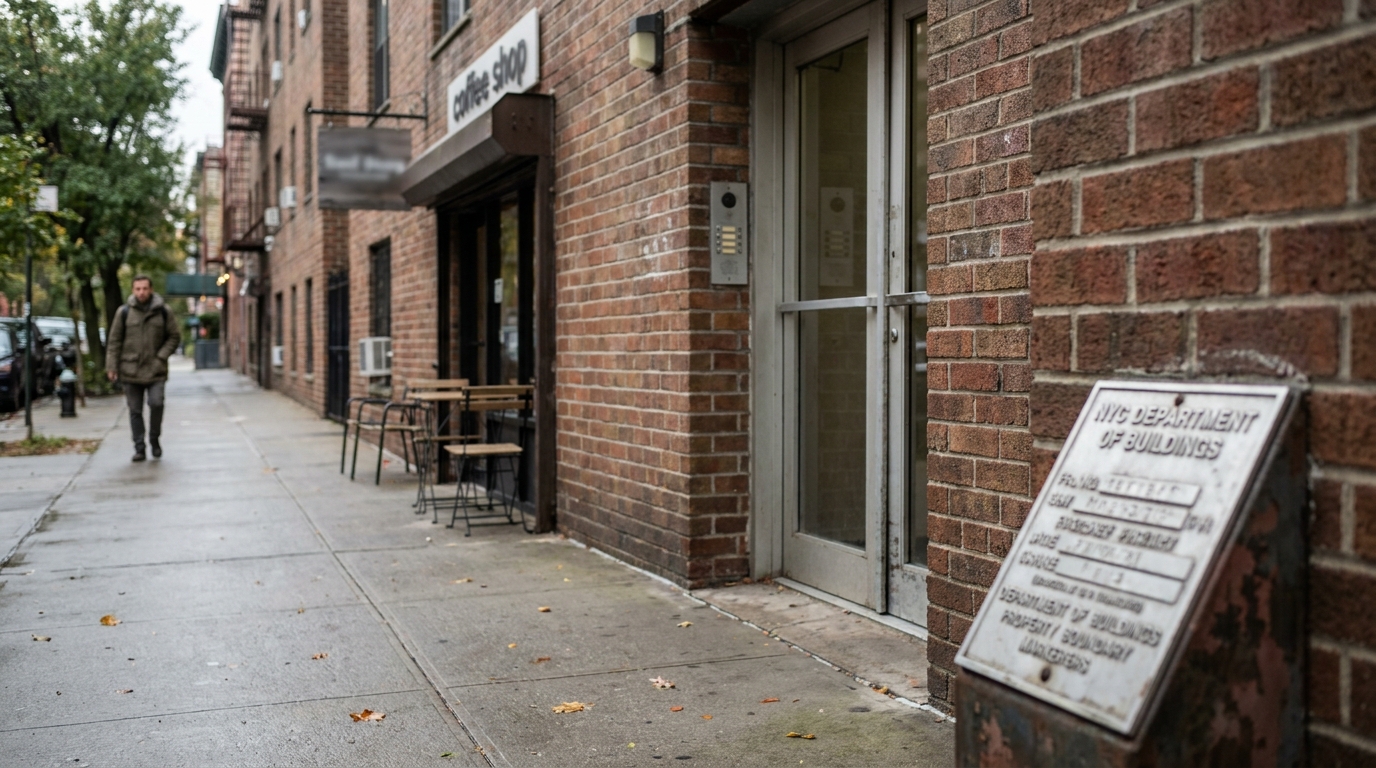
Why NYC Shifts Sidewalk Liability to Property Owners
New York City places the duty to maintain public sidewalks on the people who benefit most: abutting owners. Under Section 19-152, property owners are responsible for installing, repairing, and maintaining adjoining sidewalks and are potentially liable for injuries caused by failure to maintain sidewalks free of defects. The Department of Transportation’s overview of property owner sidewalk duties explains these obligations.
This duty cannot be delegated to contractors or tenants. Section 7-210 imposes a nondelegable duty on property owners to maintain abutting sidewalks in reasonably safe condition. Property owners have 75 days to make repairs after a Notice of Sidewalk Violation; if not completed, NYC DOT may contract the work and bill the owner under Section 19-152. This guide to Administrative Code 7-210 explains how this provision drives fall claims.
How Mixed-Use Status Changes Who Pays
The key issue in mixed-use cases is an exemption that doesn’t fit commercial-residential buildings. Section 7-210(b) exempts one-, two-, or three-family residential property that is owner-occupied and used exclusively for residential purposes. Because mixed-use properties include non-residential space, they fail the "exclusively residential" test, leaving liability with the owner.
The Owner-Occupied Residential Exemption
Whether the small-residential exemption applies is frequently a fact question surviving early dismissal. In one case, although defendants’ affidavits established a one-family owner-occupied residence, the plaintiff raised triable issues by submitting evidence that the owner also owned another property where they may have been residing at the time. Even claimed protections can be tested with property records and proof of actual use.
Owners carry a separate evidentiary burden even when an exemption might apply. A landowner moving for summary judgment must demonstrate it neither created the hazardous condition nor had actual or constructive notice of its existence. Establishing how long a hazard existed is therefore central to NYC sidewalk fall claims.
💡 Pro Tip: Constructive notice often turns on time. If a crack, missing flag, or pooled ice looks aged or repeatedly patched, note it, that detail can show the condition lingered long enough for the owner to fix it.
When Neighboring Work Creates Hazards
On properties sharing walls or sidewalk frontage, a neighbor’s construction can create the danger. Real Property Actions and Proceedings Law § 881 governs court-ordered licenses to access adjoining property for maintenance or repair. Under § 881(4)(d), any party accessing adjoining property must maintain commercial general liability insurance and provide documentation for third-party claims. Debris, uneven pavement, or scaffolding runoff from a neighbor’s project may create a path to insurance-backed recovery. Read the statute’s requirements at RPAPL Section 881.
Code Violations as Evidence of Notice
Documented code enforcement can strengthen negligence claims by showing the owner knew about unsafe conditions. Real Property Actions and Proceedings Law § 770 allows one-third or more of tenants, or the housing maintenance commissioner, to maintain proceedings where dangerous conditions exist. While separate from civil injury lawsuits, violations generated under this framework can help establish owner notice of hazards.
When the City of New York May Share the Blame
Even with liability shifted to owners, the City can remain a defendant in specific situations, when the sidewalk abuts City-owned property or where the City retained maintenance responsibility. Strict threshold rules apply before suing a municipality.
First, prior written notice is generally required. No civil action for a defective sidewalk against the City of New York may proceed unless written notice of the specific condition was actually given to the Commissioner of Transportation (or a person or department authorized by the Commissioner to receive such notice), and the City failed to repair it within 15 days after receipt of such notice, pursuant to NYC Administrative Code Section 7-201(c)(2). Second, an injured person must serve a formal Notice of Claim under General Municipal Law § 50-e, typically within 90 days of the accident, and commence the lawsuit within one year and 90 days. Identifying whether the City or private owner controls the sidewalk determines which deadline governs.
| Potential Defendant | Typical Basis for Liability | Key Threshold |
|---|---|---|
| Abutting property owner | Admin. Code §§ 7-210, 19-152 nondelegable duty | Proof of defect plus notice or creation |
| Neighboring owner doing repairs | RPAPL § 881 access and insurance duty | Link hazard to the licensed work |
| City of New York | City-owned or City-maintained sidewalk | Prior written notice and § 50-e Notice of Claim |
💡 Pro Tip: When both a private owner and the City may be responsible, treat the 90-day municipal clock as controlling until counsel confirms otherwise. Missing it can permanently bar City recovery.
How a New York Sidewalk Accident Lawyer Builds Your Case
Proving a sidewalk slip and fall means establishing duty, breach, causation, and damages by a preponderance of evidence. A New York sidewalk accident lawyer focuses on identifying who controlled the defect, documenting how long it existed, and preserving proof before it disappears. Surveillance footage from nearby storefronts is often overwritten within days, so early action matters. Our practice page on slip and fall NYC cases offers helpful background.
Evidence preservation drives claim strength. Helpful steps include:
- Saving dated photos and video of the defect and lighting
- Identifying witnesses and requesting nearby surveillance before erasure
- Keeping medical records, bills, and proof of missed work
- Noting visible repair history or prior complaints
💡 Pro Tip: Write a dated account of the fall while details are fresh, including weather, footwear, and what you carried. Defense attorneys frequently argue comparative fault, so contemporaneous notes can be persuasive.
Deadlines and Damages That Shape Your Recovery
The civil deadline for a slip and fall is generally three years from the accident date under CPLR § 214. Under CPLR § 203(g), where time is computed from discovery of facts, the action must be commenced within two years after discovery or the standard period, whichever is longer. For most sidewalk falls, the clock starts on the injury date. Review the governing period in CPLR Section 214.
Damages may be reduced by statutory mechanisms, requiring careful calculation. New York follows pure comparative negligence under CPLR § 1411: a plaintiff’s culpable conduct doesn’t bar recovery but diminishes the award proportionate to the plaintiff’s share of fault. Separately, CPLR § 4545 allows courts to reduce awards by amounts replaced by collateral sources like health insurance or disability benefits, excluding life insurance and sources with statutory reimbursement rights. The court must offset the premiums the plaintiff paid over the two preceding years. These rules are best evaluated with counsel.
Frequently Asked Questions
-
Who is usually liable for a slip and fall on a mixed-use NYC sidewalk?
The abutting property owner is most often responsible. Mixed-use buildings combine commercial and residential space, falling outside the small owner-occupied residential exemption, leaving liability under Admin. Code §§ 7-210 and 19-152.
-
Can I still sue the City of New York?
Sometimes, but only under strict conditions. The City may share liability where it owns or maintains the sidewalk, but you generally must show prior written notice and serve a Notice of Claim under General Municipal Law § 50-e within 90 days.
-
How long do I have to file a sidewalk injury claim in NY?
The general civil deadline is three years under CPLR § 214. Claims involving the City carry much shorter notice requirements, so deadlines depend on who you sue.
-
What if I was partly at fault for the fall?
You may still recover under New York’s pure comparative negligence rule. Under CPLR § 1411, recovery is reduced proportionate to your percentage of fault but not barred.
-
Does my health insurance affect my recovery?
It can, through the collateral source rule. CPLR § 4545 lets courts offset damages for benefits already paid, while crediting premiums you paid in the two preceding years.
Pulling the Pieces Together
Determining liability on a mixed-use NYC sidewalk comes down to property type, control of the defect, notice, and whether a municipal exception applies. The abutting owner typically bears a nondelegable duty, but neighboring contractors and the City can enter the picture. Strict deadlines, prior written notice rules, and statutory damage offsets shape claim value. Because every case turns on its details, prompt investigation is essential.
If you slipped and fell on a sidewalk and want clear answers, The Newman Firm is here to help. Call us at (718) 896-2700 or send your details through our free case review request so we can review your situation and applicable deadlines.